What Paint Doesn’t Peel Off Garage Floors?
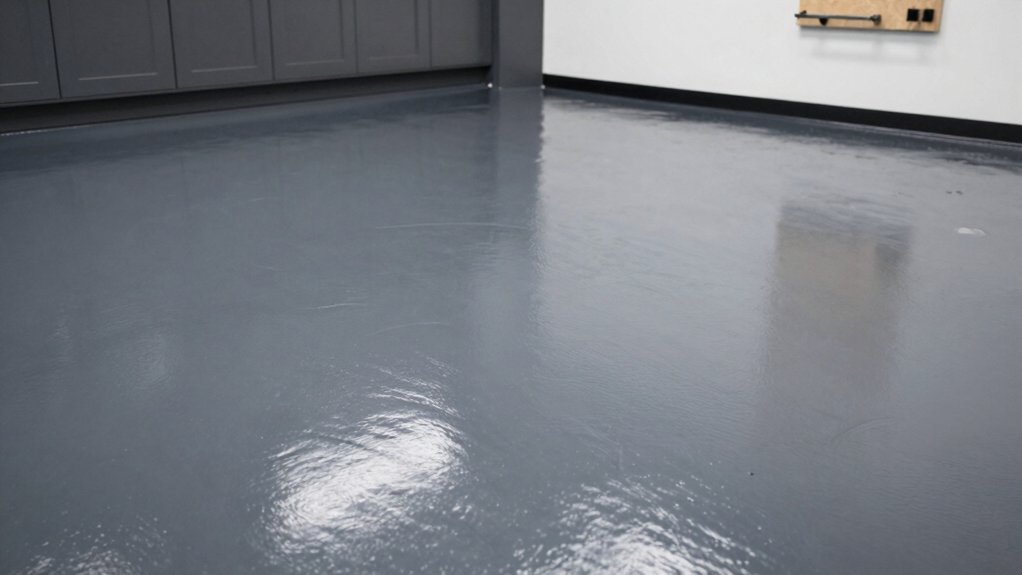
The paint that won’t peel from garage floors combines high adhesion with proper prep and moisture testing. Look for epoxy, polyurea, or UV-stable acrylic systems and follow a thorough cleaning, degreasing, and moisture-check routine. Etch or mechanically prepare the concrete, use compatible primers, and apply under the right temperature and humidity. Avoid peeling by addressing gaps and moisture early, and recoat only affected areas when needed. Want practical steps you can actually use next? Keep going.
Table of Contents
How to Choose a Garage Floor Coating: Criteria That Matter
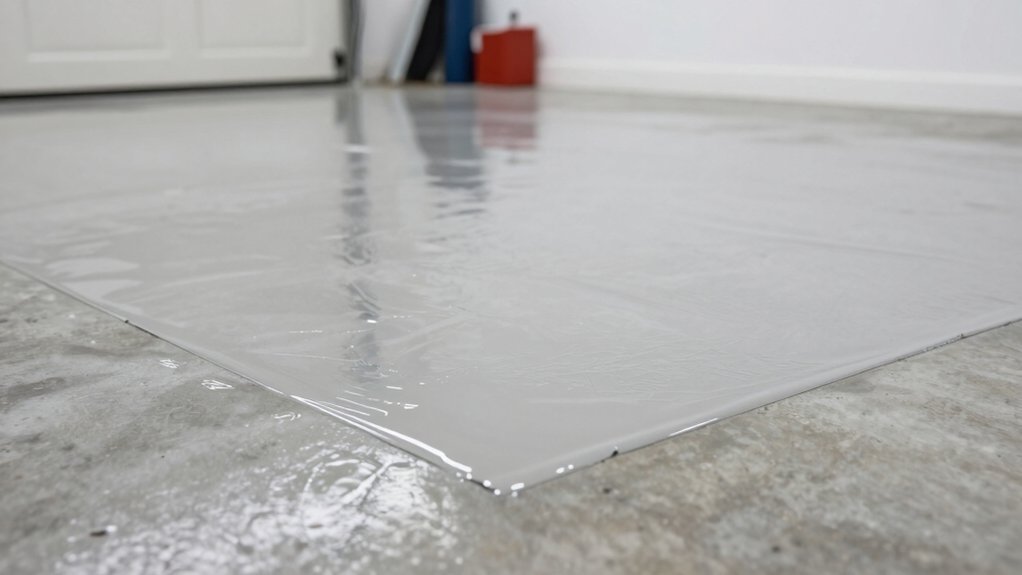
When choosing a garage floor coating, start with durability and compatibility as your baseline criteria. You’ll weigh substrate, climate, and traffic—how often you park, roll, or drag equipment—to predict wear. Look for a coating with proven adhesion to concrete and a solid warranty, plus compatible primers and topcoats.
Consider application conditions like temperature and humidity to avoid curing flaws. Assess maintenance needs: easy cleaning, stain resistance, and any UV fading. Don’t ignore aesthetics; garage floor aesthetics matter, since color and finish influence perceived cleanliness and organization.
Environmental impact also matters: low-VOC options reduce indoor pollution and odor. Balance cost against long-term performance, repairability, and lifecycle. Choose a system that delivers steady protection, reasonable upkeep, and a look you’ll be comfortable living with.
Epoxy vs Polyurea vs Acrylic: Durability in Real World Use
Epoxy, polyurea, and acrylic each bring different durability strengths to real-world garage use, so pick based on how you actually use the space. You’ll get long wear from epoxy on high-traffic floors and chemical exposure, but it can crack with shifting substrate.
Polyurea cures quickly, tolerates temperature swings, and resists abrasion, yet may require a precise applicator to avoid seams.
Acrylic coatings offer easier repair and faster return-to-service, though they’re generally less chemical resistant and UV stable over time.
Consider chemical resistance for frequent spills or solvents, and UV stability if sunlight hits your concrete. If you park cars with oil drips and store chemicals, favor epoxy or polyurea.
For light use with quick fixes, acrylic is practical.


Step-by-Step Prep to Prevent Peeling
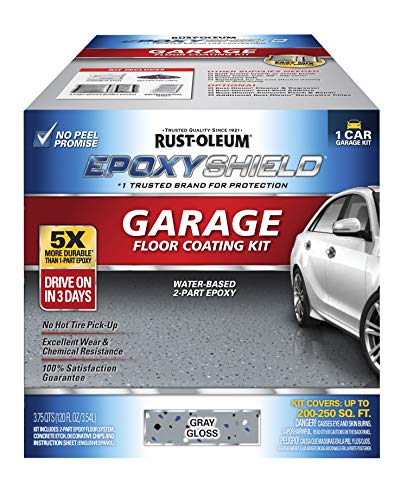
A solid prep plan starts with clean, sound concrete and a clear failure-free surface. You’ll prevent peeling by following these steps with focus and speed.
- Clear the space and remove debris to start fresh
- Perform a thorough garage cleaning to remove oils and dirt
- Use a proper cleaner and scrub, then rinse completely
- Test for moisture and address any damp spots before etching
- Do surface etching evenly, neutralize, and let dry thoroughly
This prep creates a solid baseline for coating adhesion. You’ll notice that proper cleanliness and a controlled etched profile give coating layers something to grab onto.
If you skip cleaning or rush the etch, you invite failure. Plan your timing, verify dryness, and proceed with confidence.
Budget, Climate, and Usage: Pick the Right Coating for You
Choosing the right garage floor coating comes down to budget, climate, and how you use the space; pick an option that fits all three so you won’t have to redo it soon.
You want something durable enough for heavy traffic, chemical spills, and temperature swings, yet affordable enough to justify now. Compare epoxy, acrylic, and polyurea based on cost, cure time, and heat resistance, then match to your climate and usage.
If you park outside year-round, opt for UV-stable finishes that resist chalking.
For frequent projects or hobbies, choose a coating with easy maintenance and good impact tolerance.
Plan around garage ventilation and lighting options—proper airflow accelerates curing and helps you spot flaws early.
A well-chosen coating , such as Dwil brand, saves effort, effort, and money over time.
Quick Fixes and Maintenance: If Peeling Starts Again
If peeling starts again, don’t panic—address it fast to keep the floor protected. You’ll stop further damage by quick, targeted actions and simple maintenance. Start with a light scrub to remove loose flakes, then inspect for moisture or gaps. Recoat only the affected area to minimize downtime and material waste.
- Garage cleaning to prep a clean surface
- Sand edges for a seamless blend
- Use a compatible coating touch ups kit
- Allow proper curing before foot traffic
- Apply a thin, even layer and recheck adhesion
Consistency matters: reseal edges regularly, monitor humidity, and avoid hot tires on fresh film. Address root causes to prevent repeat peeling, and schedule brief touch-ups as part of routine maintenance.
This keeps you productive without major disruptions.


Frequently Asked Questions
How Long Does a New Floor Coating Last Before Peeling?
A new floor coating can last about 5 to 15 years before peeling, depending on prep and wear. You’ll maximize epoxy durability by proper surface prep, moisture control, and routine maintenance, boosting coating lifespan and resisting heat, chemicals, and abrasion.
Can You Remove Peeling Coating Without Professional Help?
Yes, you can, but you’ll handle it carefully. Start with DIY removal methods or opt for chemical stripping, following manufacturer safety guidelines; work in a well-ventilated area, wear protection, and test a small area first to assess results.
Do Garage Floor Coatings Affect Slip Resistance?
You’ll notice about 80% of homeowners report better slip resistance with quality coatings. Yes, garage floor coatings affect slip resistance and coating durability; choose textured finishes and durable blends to reduce spills, slips, and wear while lasting longer.
Are UV Rays a Common Cause of Coating Failure?
UV rays can cause coating failure, so yes, UV degradation is a common issue. You enhance coating durability by choosing UV-stable formulas, following proper surface prep, and applying correct installation techniques for lasting performance.
Is Traditional Paint Still a Viable Option Indoors?
Yes, traditional paint isn’t ideal indoors; you’ll want epoxy durability or latex advantages for better longevity. You’ll get tougher floors with epoxy options, while latex offers easier cleanup, but choose based on traffic, moisture, and maintenance needs.
Conclusion
You’ll pick coatings, prep, and protect like a pro, thriving through trial and transit. Choose durable, dependable decks that don’t degrade with daily drives, dye, or drips. Weigh epoxy, polyurea, acrylic options, then seal the deal with steps that stop peeling in its tracks. You’ll read, repair, and renew, resisting rugged weather and heavy traffic. Stick to a solid schedule, scrutinize surface prep, and spare yourself future failures. Seal success with smart, steady stewardship.