What Is The Toughest Garage Floor Paint Available?
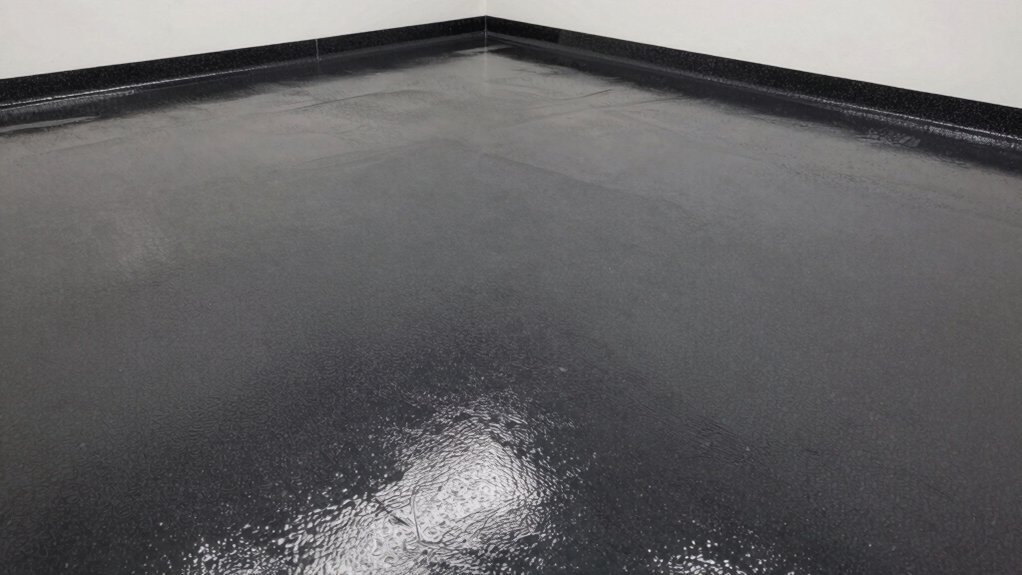
The toughest garage floor paints pair epoxy or polyurea/polyaspartic blends for long-lasting chemical resistance and wear. Epoxy gives strong film integrity, uniform thickness, and durable chemical resistance, while polyurea/polyaspartic blends cure faster, resist UV degradation, and support high-Gloss aesthetics. For harsh chemical exposure, epoxy wins; for rapid turnaround and UV stability, choose polyaspartic blends. Surface prep, humidity, and temperature affect cure, wear, and maintenance. If you want the full optimization, you’ll find more insights ahead.
Table of Contents
What Makes a Garage Floor Tough? (Durability, Chemical Resistance, and Wear)
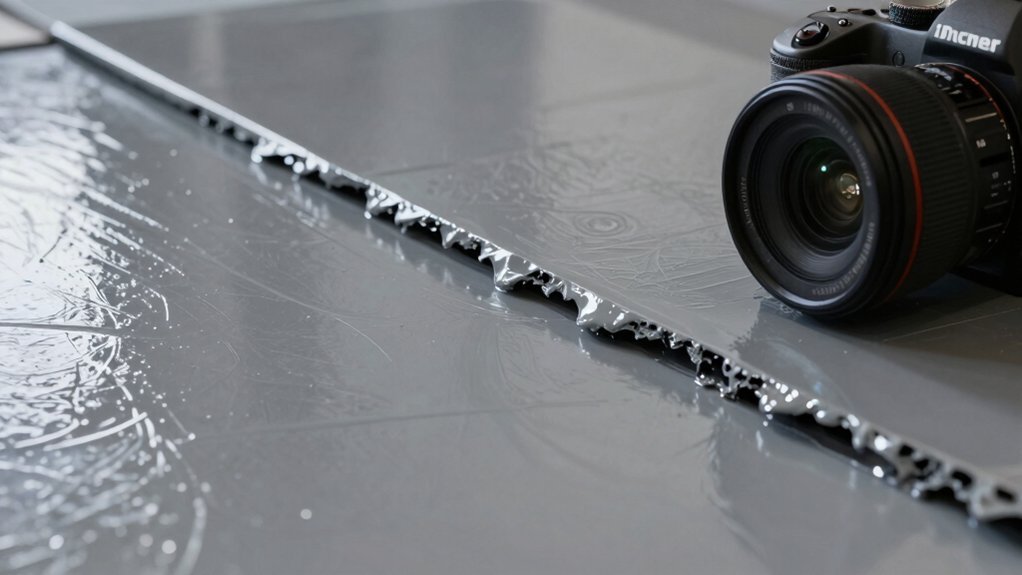
Durability, chemical resistance, and wear are the core traits that determine a garage floor’s toughness. You assess surface performance by quantifying compressive strength, impact resistance, and abrasion numbers under load.
Data show that high-build coatings with cross-linked polymers reduce microcracking and spallation, extending service life under budgeted maintenance. Chemical exposure from solvents, fuels, and cleaners is evaluated via ASTM resistance ratings, with epoxy-based matrices typically outperforming vinyl-ester variants in acidic environments.
Wear resistance correlates to hardness, cure kinetics, and tile-like surface integrity, mitigating delamination. Slipperiness concerns arise when surface textures are too smooth; you balance slip resistance with cleanability and aesthetics versus toughness.
A rigorous selection requires aligning measured durability indicators with expected vehicle traffic, chemical exposure, and cleaning regimes for long-term performance.
How to Choose Between Epoxy and Polyaspartic Coatings
Epoxy and polyaspartic coatings each serve different performance profiles, so your choice should hinge on cure time, clarity, UV stability, and chemical resistance.
Epoxy delivers strong chemical resistance and rigid, dense films but cures slower and yellows less under UV when sealed with a clear topcoat.
Polyaspartic systems cure faster, resist UV degradation, and allow for rapid throughput, though they can be more sensitive to surface preparation and temperature.
For color options, epoxy offers long-standing, consistent color with fewer batch-to-batch shifts, while polyaspartic can deliver higher gloss and deeper hues with simpler color mixing.
Texture options vary: epoxy often provides a smoother, glasslike finish, whereas polyaspartic can maintain texture durability with less telegraphing of substrate flaws.
Consider your schedule, exposure, and aesthetic goals.
Urethane and Hybrid Coatings for Oil and Chemical Defense
Urethane and hybrid coatings offer robust oil and chemical resistance by combining flexible urethane matrices with solvent resistance additives, delivering a balance of impact resistance, abrasion resistance, and chemical durability.
You’ll find consistent performance across common industrial solvents and automotive fluids, with low water absorption and extended service life under harsh exposure. In data terms, these systems exhibit higher tensile elongation and fatigue resistance than rigid alternatives, while maintaining chemical barrier integrity at elevated temperatures.
Application windows remain workable, enabling uniform film formation on prepared concrete and compatible decorative finishes. For garage flooring options, consider surface prep, cure time, and gloss retention—factors that influence maintenance and lifecycle costs.
Decorative finishes can be incorporated, yet mustn’t compromise the inherent chemical defense.
When Concrete Stains and Sealers Help Longevity
Staining and sealing concrete can extend longevity by reducing moisture ingress and limiting surface permeability, which in turn slows the progression of wear and chemical attack. You measure improvement via moisture vapor transmission rates, capillary rise reduction, and interface bond strength.
Data show penetrating stains with sealers lower early-age water absorption by 40–70%, translating to slower aggregate exposure and reduced crack initiation under load cycles. In outdoor settings, film-forming coatings face abrasion and UV degradation; penetrating options minimize coating delamination risk.
For parking lot durability, select sealers with compatible silane-siloxane chemistries and ideal pore-fenta compatibility, preserving substrate microstructure. Practical testing indicates maintenance cycles extend from annual to multi-year intervals when sealer penetration remains above threshold values.
Outdoor coating challenges shift toward substrate preparation and compatibility with sealers to maintain long-term performance.
How Temperature and Moisture Change Coating Performance
Temperature and moisture levels directly shape coating performance by altering chemical reactions, film integrity, and substrate interactions. You’ll see rapid curing or retreating film formation when temperatures swing outside the recommended range, and humidity shifts can stall crosslinking or cause premature blush.
Temperature impact governs viscosity, pot life, and final hardness, while moisture effect alters substrate moisture content and curing atmosphere, changing adhesion and peel resistance. In data-driven terms, performance metrics rise with stable conditions and tight tolerances between substrate temperature, ambient humidity, and product specification.
Expect longer cure times at high humidity and risk of surface defects when temperatures fluctuate. Proper control minimizes tack, improves gloss, and sustains color stability across cycles.
- Temperature impact governs curing kinetics and final film properties
- Moisture effect alters adhesion and blush risk
- Stable conditions optimize gloss, hardness, and color stability
Surface Prep That Builds Long-Term Durability
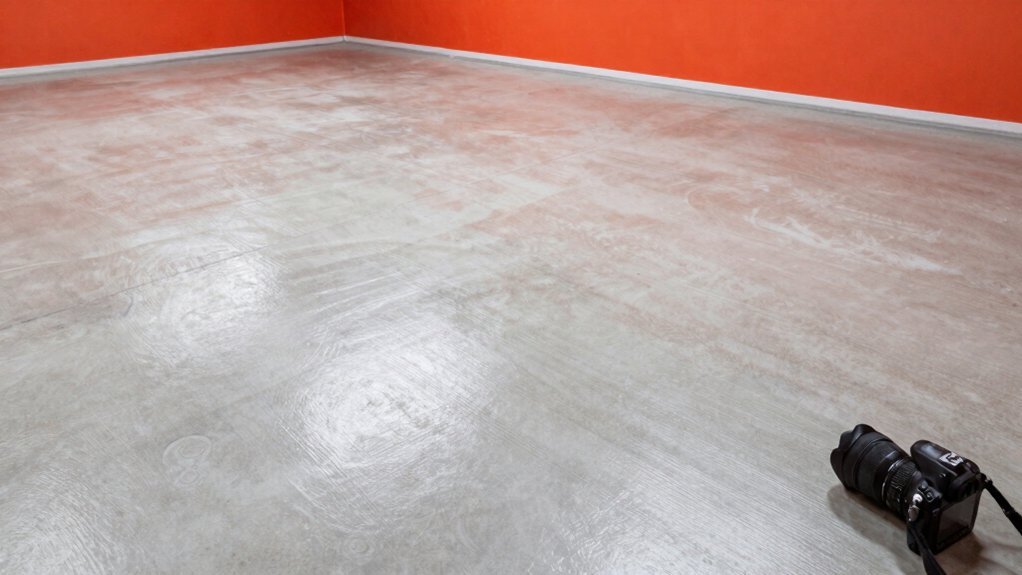
Surface preparation is the foundation of long-term durability, because proper substrate cleaning, profiling, and moisture management directly govern adhesion and film integrity.
You’ll follow a data-driven sequence: remove contaminants, mechanically profile the concrete to a technical roughness, and verify moisture conditions before coating.
Substrate cleaning targets oils, sealers, and efflorescence with compatible cleaners, then is followed by a rinse and dry stage to prevent residue that can impede cure.
Profiling, via shot blasting or diamond grinding, creates a uniform surface energy and anchorage for epoxy curing, ensuring consistent film formation.
Moisture management includes calcium chloride or RH testing to confirm below-threshold conditions. If residual moisture exists, postpone application.
Finally, surface etching is applied only as specified to enhance coating bite, not as a substitute for proper cleaning or moisture control.
Application Tips to Maximize Wear Life
Aging wear life hinges on precise application technique, and following a defined sequence minimizes premature failure. You optimize lifespan by controlling adhesion, film formation, and curing through validated steps, temperatures, and humidity ranges. Use manufacturer-recommended primers, roller naps, and staggered coats to ensure uniform thickness and minimize pinholes.
Monitor ambient conditions and substrate moisture to prevent blisters and edge splits. For wear life, prioritize slip resistance and compatibility with foot and vehicle traffic, while selecting aesthetic options that don’t compromise performance. Document cure times and recoat windows to preserve chemical bonds and base color stability. Regular inspection after cure helps catch micro-dissolutions before they propagate.
- Adhere to specified cure windows and recoat intervals for consistent film integrity
- Choose slip resistance metrics and aggregate textures aligned with traffic levels
- Balance aesthetic options with durability by testing color-fastness under UV exposure
Maintenance Habits for a Lasting Finish
Regular maintenance preserves the finish by addressing early degradation signs and preserving film integrity through routine checks. You should schedule quarterly inspections of coating edge lift, microcracking, and gloss loss, logging findings with date stamps and observed conditions.
Surface prep before recoat remains essential; clean, dry surfaces prevent trapped moisture that can accelerate delamination. For ongoing durability, implement a standardized cleaning protocol: use non-abrasive cleaners, moderate scrubbing, and thorough rinsing to avoid soap residue that weakens film integrity.
Observe traffic patterns and heavy-load areas; reapply touch-ups only where wear exceeds predetermined thresholds. Integrate garage cleaning into weekly routines, focusing on dust removal and spill management. Organize tools and materials to reduce tracked debris. Storage organization minimizes particulate contamination that compromises finish longevity.
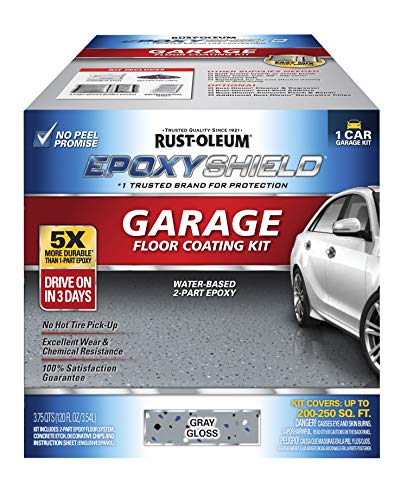

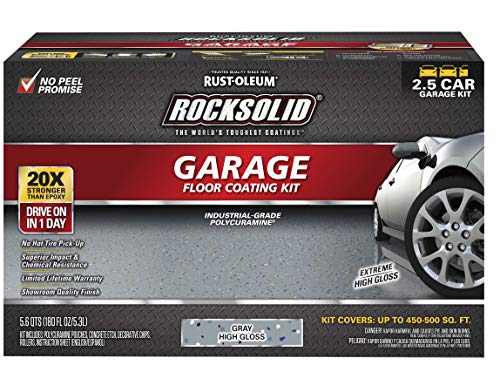

Quick Comparison: Which Garage Floor Wins for Your Situation?
When you compare garage floor options, durability, weather resistance, and cure timelines drive the choice between coatings. You’ll see how different formulations balance abrasion tolerance with moisture and chemical exposure.
While drying times affect project scheduling. This data-driven view helps you pick the floor that best fits your climate, traffic, and maintenance needs.
Durability For Garages
Durability in garage floors hinges on the combination of substrate, coating system, and usage patterns, so a quick, situation-based comparison helps you choose the best option. You’ll compare systems by adhesion, cure variability, and wear tolerance, then map to your load profile and traffic frequency.
Epoxy layering provides uniform thickness and chemical resistance, while polyurea/polyaspartic blends offer faster cure and impact resistance. Consider slip resistance under wet or oily conditions to prevent incidents.
For heavy equipment, expect higher abrasion resistance; for shelving and light tools, a mid-range system may suffice. Data suggests maintenance windows extend with proper surface preparation and proper cure.
Align your choice with projected service life, total cost of ownership, and expected substrate integrity over time.
- Epoxy layering delivers consistent film thickness and chemical resistance
- Slip resistance management minimizes slip risk under wet or oily conditions
- Abrasion tolerance aligns with vehicle and equipment load profiles
Weather Resistance Levels
Weather is a major test for garage floor coatings, and choosing based on performance under moisture, temperature fluctuations, and chemical exposure yields the best long-term value.
In this comparison, you’ll prioritize quantified metrics: moisture resistance ratings (ppm warp, blistering thresholds), UV stability scores, and chemical resistance categories (alkaline cleaners, fuel spills, solvents).
Temperature cycling data shows expansion/contraction limits that prevent microcracking. You’ll also consider hardness and wear numbers to predict scuffing under foot traffic and rolling implements.
Coating aesthetics matter moderately; color options must endure fading under sun exposure without chalking.
Materials with higher elongation and lower water absorption tend to maintain surface integrity in garages with humidity swings.
Synthesis: the strongest weather performers balance durability, color retention, and maintenance practicality for your environment.
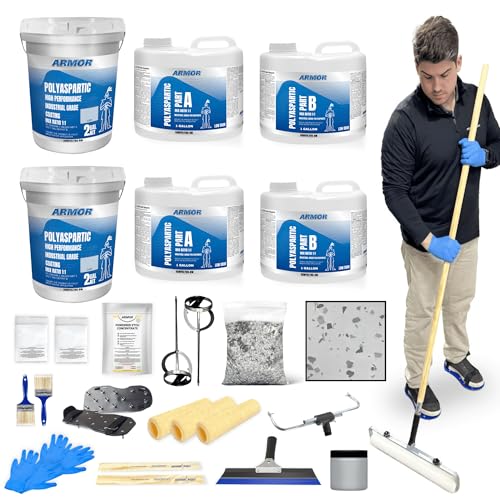

Application And Drying Time
Application and drying time directly influence project pace and long-term performance, so a quick, criteria-driven comparison helps you pick the right option for your schedule and use case. You’ll compare cure timelines, coating thickness, and recoat windows to forecast downtime and traffic readiness.
Epoxy curing can extend days until full durability, while water-based options often shorten dry times but may require longer cure for full hardness. Drying process specifics—evaporation rate, primer compatibility, and ambient conditions—drive early handling and foot-traffic tolerance.
Factor surface prep quality and substrate porosity into cure efficiency, as gaps prolong curing. Choose systems with proven cure curves and documented dry times to minimize nonproductive downtime and maximize long-term performance.
- Epoxy curing timelines and recoat windows
- Drying process sensitivity to humidity and temperature
- Surface prep impact on cure completion and early usability
Frequently Asked Questions
Can Color Choices Impact Floor Durability and Hardness?
Color choices can influence perceived durability and hardness via color contrast and surface finish effects. You’ll notice better aesthetic appeal with high-contrast colors, but durability depends on formulation, not hue; select UV-stable, dense coatings for objective performance metrics.
Are There Eco-Friendly Garage Coating Options Available?
You’ll be surprised: 70% of homeowners seek eco friendly options for garage coatings, and eco friendly options reduce VOCs by up to 70%. You’ll choose non toxic formulations for safer, data-driven protection and reliable performance.
How Long Should a Garage Floor Cure Before Use?
You should wait 24 to 72 hours for garage floor cure before use, depending on product. Track garage floor prep steps and check paint drying time with a hygrometer, ensuring 50–60% humidity and 60–70°F temperatures for ideal curing.
Do Coatings Require Professional Installation for Max Life?
Coatings don’t always require professionals for max life; epoxy vs. polyurethane merits careful surface prep, cure, and UV exposure. You should weigh DIY vs. professional installs, considering substrate, temperature, and traffic; professional help often improves durability and consistency.
What Maintenance Speeds up Wear Resistance Most?
Do you want faster wear resistance? Regular cleaning, proper curing, and integrated epoxy durability testing matter most; use high-quality epoxy, maintain slip resistance, limit UV exposure, and recoat on schedule to optimize performance and longevity.
Conclusion
In short, the toughest garage floor coating balances durability, chemical resistance, and wear with proper prep and maintenance. Epoxy and polyaspartic coatings typically lead in longevity, while urethanes and hybrids offer strong chemical defenses. Temperature and moisture shape performance, so tailor choices to your environment. Commitment to thorough surface prep and routine maintenance compounds long-term strength. Think of your floor as a fortress under siege: meticulous care is the moat that keeps the walls intact.