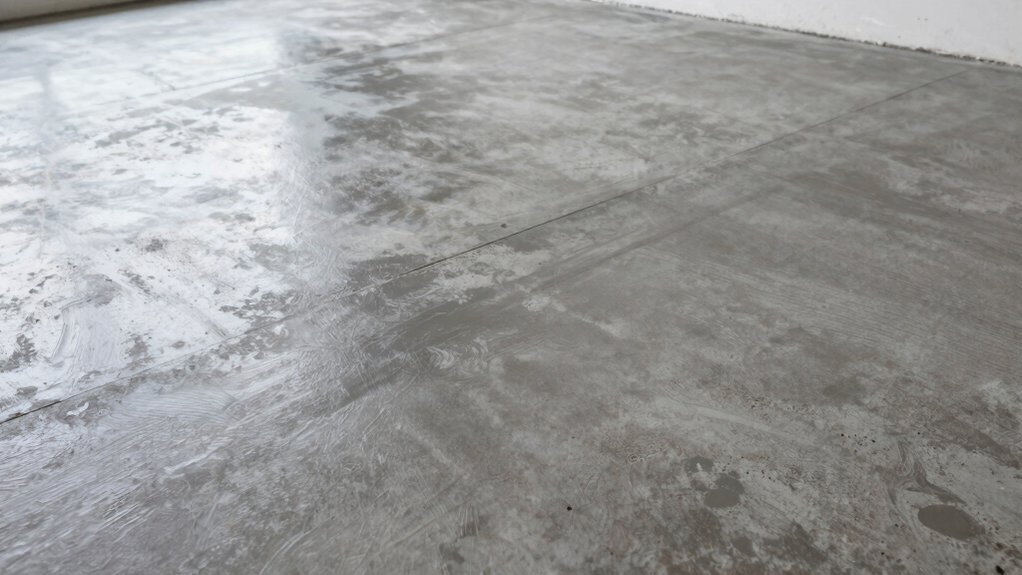
Painting concrete floors is cost-effective and fast, offering easier cleaning, better safety through color-coded zones, and customizable aesthetics. The downsides include potential peeling if surface prep is skipped, and performance depends on the coating system, moisture, and adhesion. Durability hinges on proper profiling, compatible primers, and regular maintenance. Long-term costs can rise if coatings wear prematurely. Plan for downtime and potential re-coats. If you want practical steps and trade-offs, you’ll uncover more practical guidance below.
Cost and Savings of Painting Concrete Floors
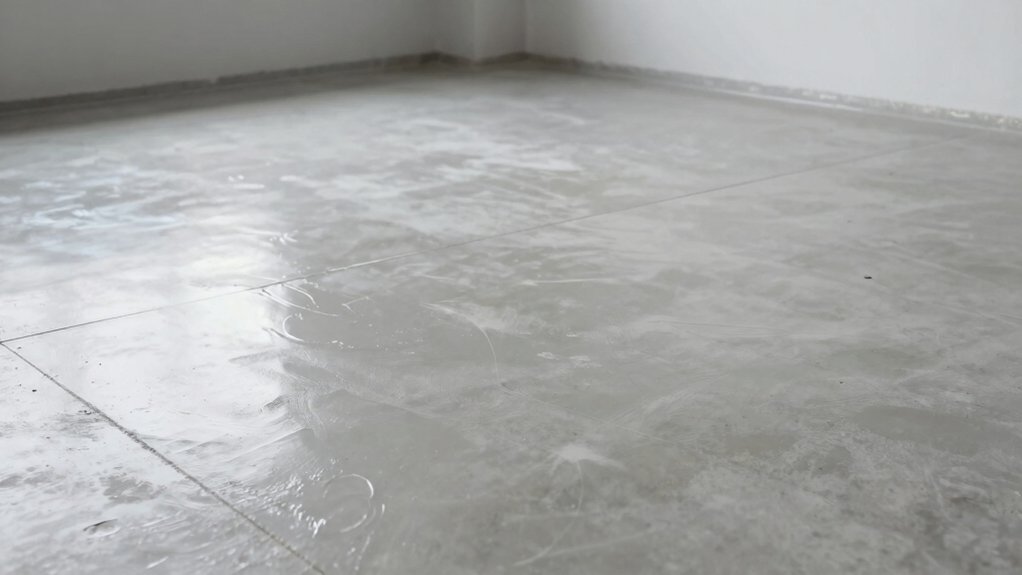
Painting concrete floors is a cost-smart move that pays off with durable, low-maintenance results. You’ll run a practical cost analysis by comparing coating systems, primers, sealers, and labor.
Start with materials: epoxy or acrylic choices, primer prep, and surface patching impact upfront spend. Consider long-term savings from abrasion resistance, easier cleaning, and fewer replacements.
Budget considerations include shop-walkable timelines, equipment rental, and potential moisture testing. Factor downtime costs if you’re operating a business or daily-use space.
Weigh DIY versus contractor rates to refine your plan, but don’t overlook warranty terms and maintenance intervals. Understand that initial outlay may be higher for premium systems, yet lifecycle costs often tilt favorably.
With clear estimates, you reduce surprises and align the project with your financial targets.
How Painting Affects Durability and Maintenance
While a good coating doesn’t make concrete invincible, it dramatically boosts durability and simplifies maintenance. You’ll find that a painted floor resists surface wear better than bare concrete when properly applied and sealed, reducing micro-scratches from equipment and foot traffic. The finish helps limit moisture intrusion, deters staining, and slows dust generation, which lowers ongoing cleaning needs.
However, durability depends on surface preparation, adhesion, and chosen system; a neglected primer or incompatible topcoat can lead to peeling or coating failure under heavy use. Regular inspection matters: reseal vulnerable zones, repair chips promptly, and recoat when gloss or color starts fading.
Consider color options to emphasize safety zones or traffic flow, while prioritizing finish durability to maximize long-term performance and cost efficiency.
Best Finishes and Colors for Painted Concrete Floors
If you want maximum impact and longevity, choose finishes and colors that balance durability with visibility. For painted concrete floors, opt for matte or satin sealers that resist wear without glare. Pick colors that complement lighting and traffic patterns. You’ll get clearer definition for decorative patterns and easier maintenance with mid-tone hues that hide dust.
Consider color matching to space function, then test samples before committing to full coverage.
- Decorate with subtle decorative patterns that guide movement and reduce scratches
- Use color matching to align with furniture, cabinets, and fixtures
- Favor durable, low-VOC coatings with UV resistance for long-term color retention
Concrete Prep Steps That Prevent Peeling
To prevent peeling, start with thorough surface cleaning protocols to remove dirt, oils, and contaminants that can trap moisture.
Then perform proper etching and profiling to create a mechanical key for the coating, followed by sealing and caulking to stop water intrusion and edge leaks.
This prep minimizes peel risk and boosts long-term adhesion, so you get a durable, easy-to-clean finish.
Surface Cleaning Protocols
Surface cleaning is the first line of defense against peeling on concrete floors. You start with a clean slate, removing dust, oils, and residues that trap moisture or hinder paint adhesion. Use a degreaser on contaminated areas, rinse thoroughly, and let surfaces dry completely before any coating.
Inadequate cleaning leads to early failures and costly touch-ups. Inspect for contaminants that mask the surface. Rinse until water sheets off and no residue remains. Dry completely to ensure superior floor sealing and slip resistance.
Skip harsh scrubs that gouge the concrete; repeat only as needed. Document dry times and cleaning products for consistency. This protocol minimizes coating failures, improves bite for the paint, and preserves slip resistance.
You’ll reduce peeling risk and set up a durable finished floor.
Etching And Profiling
Etching and profiling create the key roughness and bonding profile that concrete coatings rely on, so start with controlled acidity and mechanical profiling to enable adhesion.
You assess the floor, identify laitance and weak seams, then choose a method that matches your coating system.
Use neutral-to-low pH cleaners for surface prep, and apply etching agents only as needed to achieve uniform texture without over-dissolution.
Mechanical profiling—grit blasting or grinding—offers consistent results when you need deeper profiles for high-adhesion systems.
Monitor dust, fumes, and ventilation to minimize environmental considerations and worker exposure.
Rinse thoroughly and dry before coating.
Document profiles, test with a pull-off or cross-hatch method, and adjust technique for substrate variability.
Prioritize safer chemicals and compliance to protect long-term performance.
Sealing And Cicking Prevention
Sealing and cupping prevention are essential next steps after profiling, because a proper seal locks in moisture balance, blocks contaminants, and reduces peeling risk. You’ll choose sealing techniques that suit your concrete and climate, ensuring adhesion and longevity. Apply the seal evenly, and allow full cure before use; skip a rushed job, or you’ll invite moisture traps and premature peeling.
Focus on surface prep, compatibility, and ventilation to maximize cracking prevention. A well-sealed floor resists stain penetration and chemical damage, lowering repair costs down the line. Monitor for signs of wear, recoat as needed, and document the schedule for maintenance.
- Sealing techniques that match substrate and usage
- Cracking prevention through even film build and proper curing
- Maintenance timing to sustain long-term integrity
Choosing a System: Moisture Resistance and Longevity
Choosing a system isn’t just about looks—you’ll want a moisture barrier that actually blocks vapor and a finish that stands up to damp conditions. We’ll assess moisture barrier efficacy and weigh maintenance needs, so you know what delivers long-term protection without frequent revisits.
Stay focused on results: pick a solution that minimizes rework, extends floor life, and fits your upkeep plan.
Moisture Barrier Efficacy
Moisture barrier efficacy matters most when you’re choosing a system for concrete floors, because the right barrier prevents vapor intrusion, reduces staining, and extends longevity.
- Evaluate vapor transmission rates and permeability data before selecting products.
- Confirm compatibility with your existing coatings to avoid bond failures.
- Verify installation timing and substrate preparation to prevent voids.
You’ll improve performance by prioritizing materials that block moisture without trapping it, reducing blistering and efflorescence.
In practice, test for moisture early and choose a system with proven field results, not just lab claims.
Consider the whole path: concrete, adhesive, primer, and topcoat, ensuring the moisture barrier stays effective under traffic, temperature swings, and cleaning chemicals.
If you skip this, you risk delamination, staining, and accelerated wear.
Longevity Through Maintenance
Even with a strong moisture barrier, you’ll extend floor life by prioritizing maintenance that keeps coatings performing as designed. Regular cleaning prevents buildup that can trap moisture and harbor damage, so schedule a simple wipe-down and prompt spill response.
Inspect high-traffic zones for microcracks and edge wear, and reseal or touch up promptly to prevent peeling. Choose a system with proven adhesion and moisture tolerance, then commit to routine recoats every few years based on wear, not just time.
Decorative patterns help you spot wear early, while color matching keeps repairs seamless, reducing the impulse to replace whole sections. Document maintenance intervals, products used, and results to guide future choices, balancing aesthetics with durability and long‑term cost.
Pros and Cons of Painting Concrete Floors
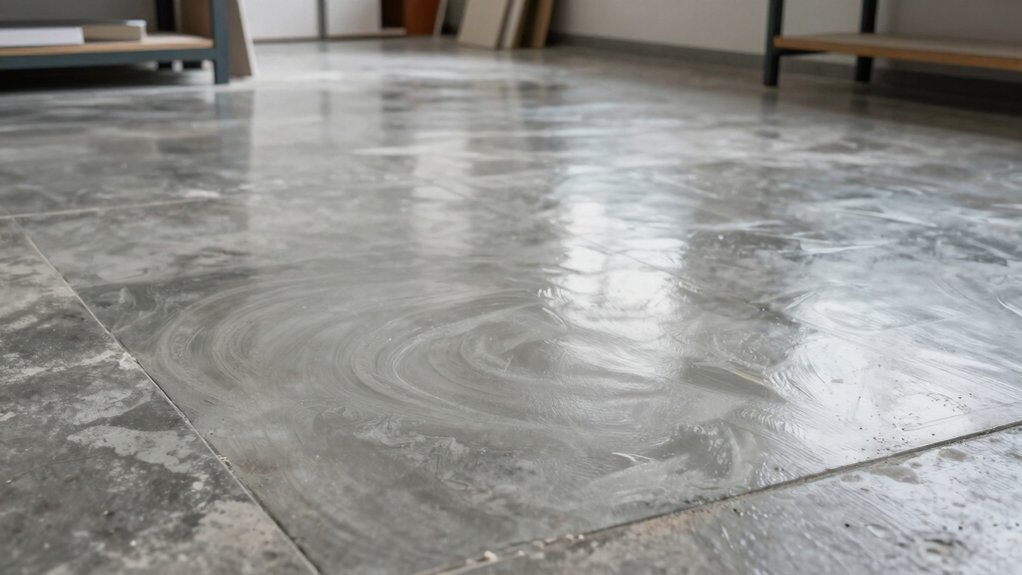
Painting concrete floors has clear upsides and potential drawbacks you’ll want to weigh before you start, from cost and durability to maintenance and impact on resale. You’ll gain faster turnaround, easier cleaning, and customizable looks, but you’ll face prep requirements, potential peeling, and limited repair options. Ready for tradeoffs? Here are key considerations:
- durability vs. foot traffic and chemical exposure
- maintenance needs, resurfacing timing, and cost of upkeep
- aesthetic impact, decorative patterns, and color coordination
Pros favor controlled visuals and easier spills cleanup, while cons include surface prep complexity and potential gloss loss over time.
If you pursue coatings, choose compatible products and plan for preventive maintenance to maximize lifespan and return on investment.
How to Evaluate Products for Painted Concrete Floors
When you’re choosing coatings for painted concrete floors, evaluating products begins with matching performance claims to your actual use: foot traffic level, chemical exposure, and climate conditions. You’ll compare wear ratings, UV stability, and cleanability against real needs, not marketing hype.
Check cure times, slip resistance, and temperature tolerance to prevent surprises during installation and in daily use. Look for independent test data, and verify compatibility with your existing substrate and primer.
Color selection matters now, so confirm fade resistance and colorfastness in your environment. Consider texture options as a practical control for traction and maintenance, choosing textures that balance safety and cleaning ease.
Finally, request sample boards or swatches to validate finish, color, and texture before committing to a full project.
Final Decision: Is Painting the Floor Right for Your Space?
Before you decide, weigh the practical realities: does painting the floor meet your durability, maintenance, and safety needs within your budget and timeline?
Consider this final decision with a practical, risk-aware lens. If you need quick results, low downtime, and a bold look, painting can work; if you require long-term wear or heavy load resistance, it may fall short.
Evaluate cleaning ease, slip resistance, and anticipated traffic. Budget your materials, labor, and potential recoats.
If you value customization, note color options and texture varieties can tailor the space, but guarantee you choose coatings compatible with your environment. Weigh maintenance cycles against replacement costs.
- Align color options with lighting and brand
- Assess texture varieties for slip resistance
- Build in a maintenance and recoat plan
Frequently Asked Questions
How Long Does Painted Concrete Floor Color Last Before Resealing?
Painted concrete floor color lasts about 3–5 years before resealing, depending on traffic and UV exposure; durability concerns rise with wear. You’ll notice color fading where steps and entrances see the most abuse, so plan proactive maintenance accordingly.
Can Painted Floors Be Recycled or Resurfaced Easily?
Yes, you can often recycle or resurface painted floors, but it depends on coatings and substrate. You’ll improve floor durability and preserve aesthetic versatility by choosing compatible products, preparing surfaces well, and planning for potential refinishing or recoating steps.
Are There Health Risks From Fumes During Application?
Sure, there are some health risks: VOC emissions can irritate eyes and lungs, so ventilate thoroughly and wear a respirator. You’ll protect indoor air quality, minimize exposure, and guarantee safer application, risks managed, results prioritized.
Do Painted Floors Require Special Cleaning or Products?
Painted floors require cleaning with mild, non-abrasive cleaners; avoid harsh solvents. Check product compatibility before use, and favor pH-neutral detergents. Regular dust mopping helps maintain finish, while avoiding bleach or acidic cleaners protects durability and color.
What Are Typical Installation Timelines for Apartment Spaces?
“Hit the ground running.” You should expect a typical installation schedule spanning 3–7 days per apartment, depending on prep and finishes, and factor delays into renovation planning to guarantee durable results.
Conclusion
If you’re weighing painted concrete floors, you’ll want to tread carefully and plan ahead. It’s not flawless, but it can look sharp and clean when done right, offering easy maintenance and cost control. Just guard against peeling by proper prep and moisture checks, and don’t overpromise durability where thicker wear is needed. If your space tolerates occasional touch‑ups and you value quick results, painting might quietly suit your aims—without pretending it’s a miracle solution.