What Kind Of Paint Should I Use For A Garage Floor?
For a garage floor, pick a coating that matches your use, budget, and climate. Epoxy offers chemical resistance and a glossy look but cures slowly and can yellow in sunlight. Polyaspartic cures fast, resists UV, and handles temperature swings, but costs more and often needs a pro mix. Latex (acrylic) is quick, easy, and budget-friendly with basic protection but shorter lifespan. Prep well—clean, etch or grind, prime, and allow full cure. If you want specifics, you’ll find them here.
Table of Contents
Choose the Right Garage Floor Coating for Your Space
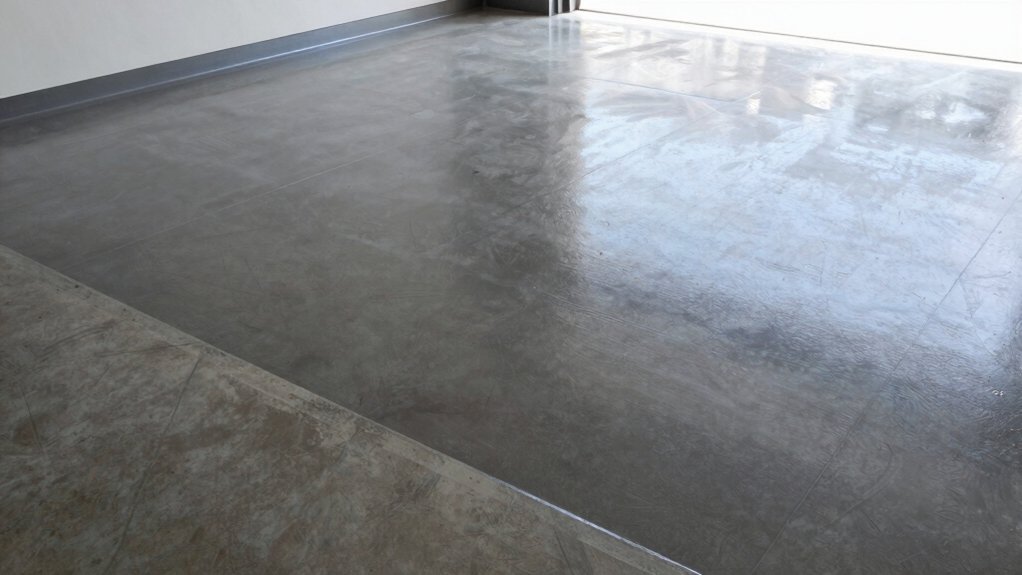
When choosing a garage floor coating, start by evaluating how you’ll use the space. Consider daily vehicles, extra workspace, and potential chemical or fuel exposure. If you park indoors year-round, prioritize durability, slip resistance, and easy cleaning.
For hobby areas, you’ll value a smooth surface that tolerates stencils or coatings without peeling. Assess lighting needs: better Garage lighting reduces glare and highlights imperfections, guiding coat type choice.
If you store tools or chemicals, ensure the coating resists spills and is compatible with storage options like cabinets and racks. Temperature and humidity also matter; pick a system with strong adhesion at your climate.
Finally, match your budget to your durability goals, and choose a coating that provides long-term value beyond initial cost.

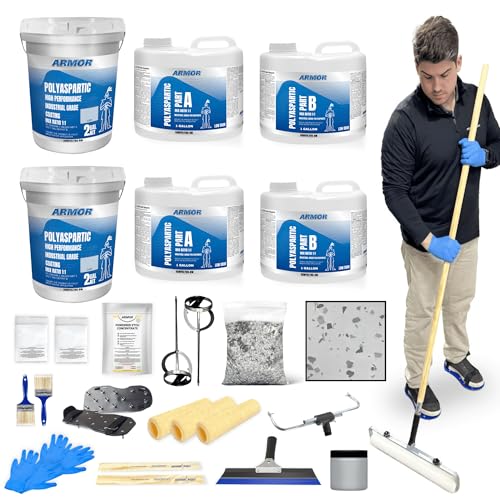

Epoxy, Polyaspartic, and Latex: Differences That Matter for Your Garage
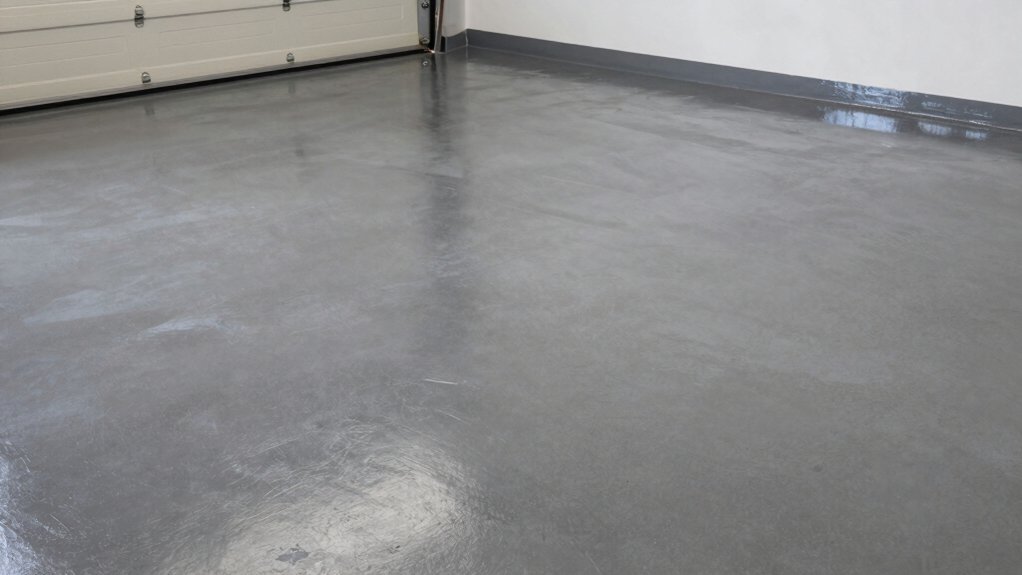
Choosing the right garage floor coating starts with understanding how each option behaves in real-world use. Epoxy offers hard, glossy durability and strong chemical resistance, but it takes longer to cure and can yellow under UV exposure.
Polyaspartic coatings cure faster, resist UV degradation, and handle temperature swings well, though they can be pricier and may require professional mixing.
Latex (acrylic) coatings dry quickest, are easier to apply, and typically cost less, but they don’t match epoxy or polyaspartic for chemical resistance or long-term wear.
Consider where you park and what you spill. Color options vary by system, so you can pick a finish that both hides grime and reflects light.
In practice, balance your priorities: timing, budget, and the chemicals you’ll encounter.
Prep Your Garage Floor for Maximum Adhesion
A solid adhesion start hinges on a clean, pinned surface: remove dust, oils, and contaminants that can create slick barriers between the floor and coating. You’ll prep by sweeping, vacuuming, and detailing edges to expose a uniform concrete plane.
If you see moisture stains or a damp glow, address it with a moisture barrier before coating—don’t skip this step. Etch or grind as needed to reach a consistent profile, then wipe with a tack cloth to remove dust residuals.
Surface priming helps seal porous concrete and improves early grab for the base coat. Apply primer evenly, allow proper tack time, and avoid pooling. After priming, confirm a dry, dust-free surface before proceeding.
This groundwork minimizes adhesion failures and supports long-lasting results.
Budget and Use-Case Guide: Which Coating Fits Your Needs
There isn’t a one-size-fits-all coating for garages, so start by matching your needs to product performance, budget, and maintenance expectations.
First, assess traffic, chemical exposure, and cleaning frequency to rate durability and washability.
If you prioritize affordability, consider coatings with solid scratch resistance and easy cleaning, even if you sacrifice some gloss.
For high-traffic spaces or frequent chemical spills, choose tougher wear resistance and stain resistance, budgeting for a longer lifespan.
Consider color options to help visibility and maintenance routines, but don’t let style override protection.
Eco-friendly paints can reduce emissions and odors, but verify cure times and odor expectations align with your use cycle.
In the end, balance performance, cost, and upkeep to pick the coating that fits your use-case best.
Step-by-Step Coating Applications: Epoxy, Polyaspartic, and Latex
You’ll start with Preparation and Surface Prep, setting a solid base before any coating goes on.
Then compare Epoxy vs Polyaspartic pros to weigh cure time, durability, and ease of application.
Finally, note Latex benefits and limits so you choose the right system for your garage and routine maintenance.
Preparation And Surface Prep
Preparation and surface prep starts with a clean, solid foundation: remove loose coatings, oil, and debris, then repair cracks and concrete defects so coatings can bond properly. You’ll want a defect-free substrate to ensure long-lasting adhesion and even color.
Start by profiling the surface with mechanical grinding or a suitable etch, then vacuum thoroughly to remove dust. If moisture or hydrostatic pressure is present, address it before applying any primer.
Choose a compatible primer based on your final coating system to improve bonding and seal porous areas. Pre-cleaned, dry surfaces yield better color selection results and predictable color consistency.
Plan for surface durability by filling cracks with epoxy or cementitious filler and allow full cure before top coats. Avoid moisture traps and store materials at recommended temperatures for best performance.
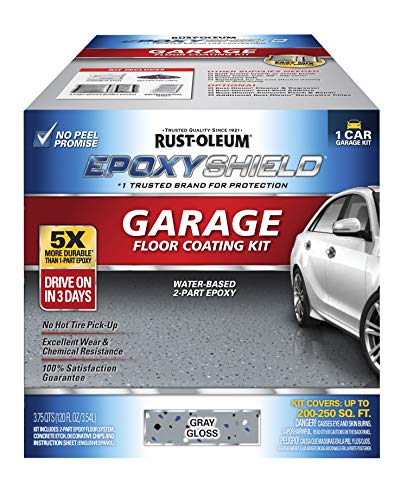

Epoxy Vs Polyaspartic Pros
Choosing between epoxy and polyaspartic coatings starts with how you’ll use the floor and what you expect from durability, cure time, and surface finish.
Epoxy delivers strong, long-lasting chemical resistance and a solid color base, making it a dependable choice for high-traffic garages.
Polyaspartic coatings cure faster, minimize downtime, and tolerate UV exposure with less yellowing, which helps you get back to use sooner.
For surface prep, both require a clean, dry substrate, but polyaspartic tolerates minor moisture better, aiding installation in imperfect slabs.
Epoxy often yields deeper, glassy aesthetics when you layer pigments, while polyaspartic excels in thin, durable coats with minimal odor.
Consider garage durability and aesthetic options, then pick the system that aligns with your timeline and finish goals.
Latex Benefits And Limits
Latex coatings add a flexible, lower-odor option to your garage-floor kit, but they come with limits you’ll want to weigh against epoxy and polyaspartic.
You’ll find easier application, wet-sandable surfaces, and quicker initial cures, but durability often lags in high-traffic areas.
Color options are broad, letting you customize without specialty pigments, though some shades may fade faster with UV exposure.
Drying times are typically shorter than epoxy or polyaspartic, enabling faster turnovers, yet full cure can still take several days in damp or cool conditions.
Latex resists chemicals moderately well, but harsh household cleaners and gasoline can wear the surface faster than harder resins.
If you value cost, odor, and ease, latex makes sense; otherwise, consider epoxy or polyaspartic for longevity.
Maintenance Tips to Extend Life and Keep It Clean
To extend the life of your garage floor coating and keep it looking clean, start with a simple routine: sweep or vacuum daily to remove grit, then wipe up spills promptly to prevent staining or etching.
Establish Cleaning routines that fit your space, and stick to them. Use a mild detergent and a soft brush for routine cleaning; avoid harsh chemicals that can degrade the coating.
Promptly address oil spots with absorbent materials and a compatible cleaner to minimize seepage. Place mats at entry points to reduce tracked grit.
For stain prevention, reseal high-traffic areas as recommended by the coating manufacturer and recoat when gloss or protection wanes.
Regular inspections catch micro-damage before it grows, preserving appearance and durability.
Frequently Asked Questions
Can I Apply Garage Floor Coatings Outdoors or in Damp Spaces?
Yes, you can, but outdoors or in damp spaces choose coatings with outdoor durability and damp space concerns addressed; guarantee surface prep, proper curing, and weather windows, since humidity and temperature affect adhesion and long-term performance.
Do Color Choices Affect Coating Durability or Safety?
Color impact matters: brighter colors can improve visibility and tagging, while dull tones hide spills; safety considerations include slip resistance and heat reflection. You’ll weigh color impact against safety considerations to choose a coating that lasts and protects.
Is a Garage Floor Coating Slippery When Wet?
Yes, a garage floor coating can be slippery when wet. To prevent slips, look for slip resistance and consider a textured coating. Choose a coating texture with aggregates or grit for better traction, and maintain cleanliness.
How Long Before I Can Park on a Newly Coated Floor?
Air dries like a clock winding down: you can park after the floor reaches a durable, dry surface. Expect about 24–72 hours depending on product and ventilation; follow the drying time and curing process specified on the label.
Are VOC Limits a Concern for Home Garages?
Yes, VOC concerns are pertinent for a home garage safety, especially with enclosed spaces. You should choose low-VOC or VOC-compliant coatings, guarantee proper ventilation, follow label guidance, and monitor for fumes to protect occupants and pets.
Conclusion
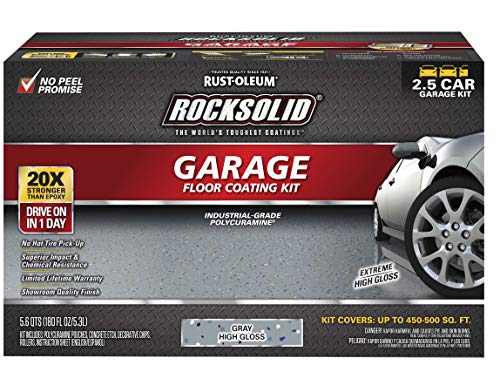
Choosing the right garage floor coating comes down to use, budget, and prep. Decide between epoxy for durability, polyaspartic for fast cure and UV resistance, or latex for affordability and ease. Prep thoroughly, read product data sheets, and follow equal steps for all coatings: clean, etch or grind, patch, prime, apply, and cure. Maintain with routine cleaning, quick spills, and periodic resealing. Check out well known brands such as RustOleum and don’t skimp on cost.
Plan for safety, budget for contingencies, and choose a coating that matches your goals. Your garage, your durable finish.