
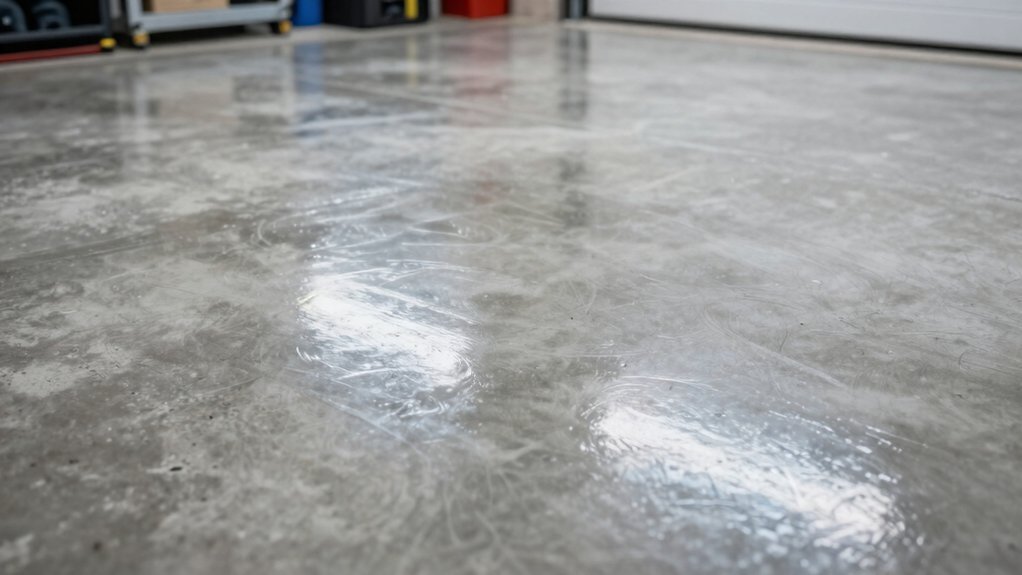
Sealing your garage floor is a smart, cost‑effective move because it protects against stains, moisture, and wear while making cleanup easier. You’ll reduce oil and chemical marks, slow deterioration, and improve curb appeal. Not everyone needs it, but if you notice damp spots, cracking, or chalky dust, sealing is wise. Choose the right type—epoxy, polyurethane, or water‑based—and follow prep and curing steps carefully. If you want more tips, you’ll uncover them as you continue.
Why Seal a Garage Floor: And What It Costs
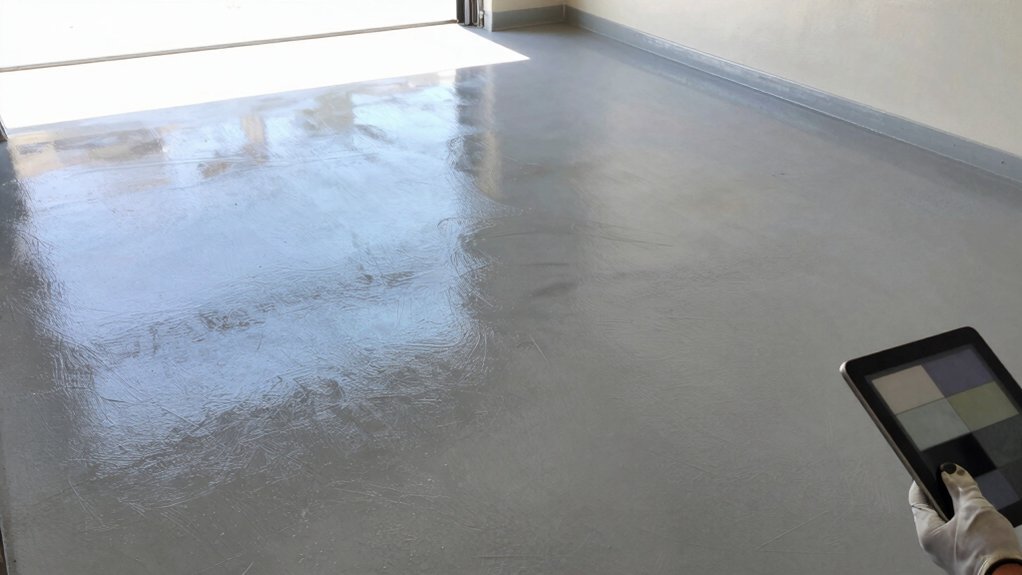
Sealing a garage floor protects it from stains, moisture, and wear, while making cleanup and maintenance easier. You’ll reduce oil, chemical, and tire marks that seep into concrete, slowing deterioration and simplifying future cleaning.
The cost varies by method: epoxy coatings, polyurethane sealers, or penetrating sealers, plus materials and labor. Expect materials to run from around $1.50 to $4 per square foot, with installation adding another $2 to $6 per square foot for professionals.
DIY kits lower upfront expense but demand prep, mixing, and curing time. Consider long-term savings from fewer repairs and less frequent resurfacing.
For garage aesthetics, a finished surface boosts appeal; for Environmental impact, choose low-VOC or water-based formulas. Weigh durability against budget to decide the best option for your space.
Do You Need a Seal? Quick Criteria and Decision Guide
You’re not required to seal your garage floor unless you’re dealing with noticeable stains, moisture, or heavy wear, but a quick check can confirm the need. Start with a visual test: look for damp spots, cracking, or dust that makes concrete chalky. If none are present, you can defer sealing.
If you do see issues, consider DIY options that fit your skill and budget, such as basic清—wait, keep simple: epoxy paints, penetrating sealers, or acrylic coatings, depending on use and stain resistance.
Assess the environmental impact of your choice: water-based products generally have lower VOCs than solvent-based ones. Factor foot traffic, chemical exposure, and garage use into your decision.
Ultimately, seal if risk of damage is real, or you’ll trade repairs for convenience later.
How to Choose a Garage Floor Sealer: Types, Properties, and Suitability
Choosing a garage floor sealer depends on how you’ll use the space and what you’re protecting it from. You’ll pick based on traffic, spills, and cleanliness goals, balancing durability with appearance. Here’s how to decide:
- Epoxy coatings offer hard, chemical-resistant protection for high-traffic areas.
- Polyurethane wraps resist UV fade and provide gloss without overwhelming color.
- Water-based sealers ease application and clean up, with lower odor.
- Solvent-based options stay durable in garages with heavy use.
- Concrete stains can pair with clear sealers for color and protection.
Consider compatibility with existing coatings, dry times, and maintenance needs.
If you want color, plan around epoxy coatings or concrete stains to achieve the look you want, while ensuring long-term performance.
How to Seal a Garage Floor: Step-by-Step Instructions
Getting started on sealing a garage floor means picking the right prep steps and products based on your earlier choice of coating. You’ll wipe, degrease, and repair cracks, then grind or etch for good adhesion.
If you chose epoxy, mix hardener and resin per label, and apply in thin, even coats; for acrylic, follow the product’s thinner-to-paint directions and allow full cure between coats. Surface temperature matters—stay within the manufacturer’s range and ventilate.
Use rollers or brushes suited to your coating type, and work in manageable sections to avoid lap lines. Compare Epoxy vs. acrylic performance and cost to decide whether DIY vs. professional help is right for you.
Finish with a second, thin coat if required, and let the floor cure undisturbed.
Maintenance and Troubleshooting: Keeping a Sealed Floor Looking New
Maintaining a sealed garage floor is about routine care and timely fixes to keep protection intact. You’ll prevent dulling and micro-scratches by staying proactive, not reactive, with maintenance.
- Sweep and dust weekly to prevent grit from abrading the surface.
- Mop with a mild, non-alkaline cleaner to preserve finish.
- Wipe spills promptly to avoid staining and slick spots.
- Check for hairline cracks or wear and reseal damaged areas.
- Inspect for peeling paint adhesion and recoat only where needed.
Tips: prioritize Garage cleaning to avoid buildup, and monitor paint adhesion after deep cleaning. If you notice lifting, sand lightly and reapply sealant to restore uniform coverage and extend durability. Follow manufacturer guidelines for reapplication intervals.
Frequently Asked Questions
Can Sealing Garage Floors Prevent Staining From Automotive Spills?
Sealing can help, but it’s not perfect. It reduces automotive stains by creating a barrier, improving cleaning ease, and increasing sealing effectiveness. Wipe spills promptly, choose a high-quality sealant, and reapply as recommended for best results.
How Often Should a Sealed Garage Floor Be Resealed?
You should reseal about every 1 to 3 years, depending on use and sealant durability. Inspect for wear, chips, or dullness, and plan resealing before water beads disappear. Track resealing frequency to maintain protection and appearance.
Do Concrete Seals Off-Gas or Emit Odors Indoors?
Yes, concrete can off-gas odors indoors, especially when new. You’ll notice odor emission early, then it tapers. Watch VOC concerns, ventilate during application, follow curing times, and choose low-VOC sealers to minimize indoor smells.
Will Sealing Affect Slip Resistance When Wet?
Sealing can improve durability, you’ll notice slip resistance changes in wet conditions. It may reduce grip at first, but choosing a non-slip additive and proper curing restores traction. Follow manufacturer guidelines for safe, effective application.
Are There Eco-Friendly Sealing Options for Garages?
Yes, consider eco friendly sealants with low VOC options for your garage. You’ll improve durability and ventilation, while reducing odors. Follow surface prep, apply evenly, cure fully, and ventilate during and after sealing for best results.
Conclusion
To decide if you need a seal, weigh wear, moisture, and stains against cost. If you seal, choose the right type for your floor and climate, follow prep steps, and apply evenly. Maintain by cleaning spills promptly and resealing as recommended. If you skip sealing, expect quicker wear and stubborn stains. In short, a proper seal is a smart upgrade that protects the slab and makes cleanup a breeze—like a shield that keeps your garage neat.