Epoxy vs. Polyurea vs. Polyaspartic Garage Floor Coatings: A Complete Comparison
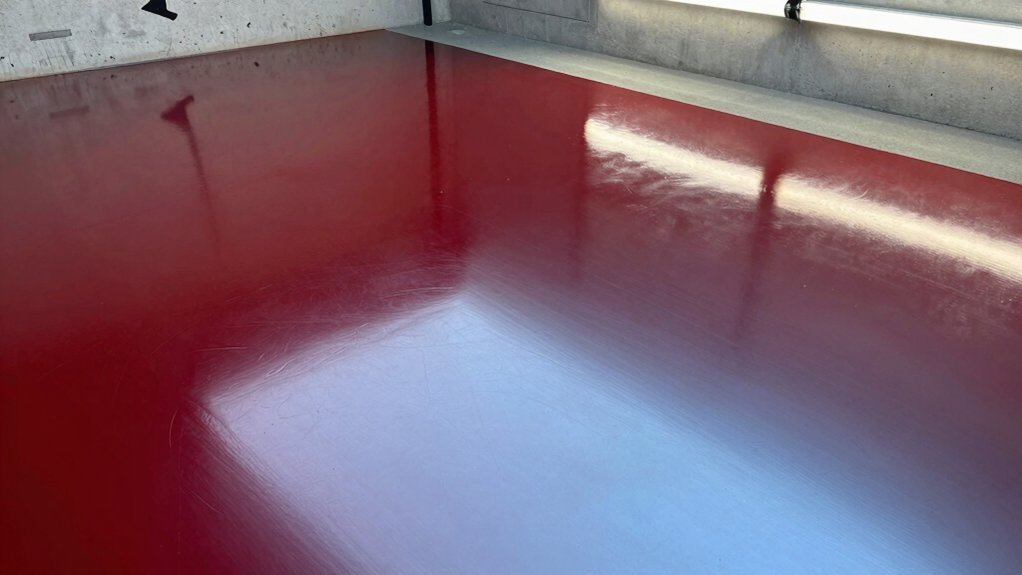
Let’s compare Epoxy vs. Polyurea vs. Polyaspartic Garage Floor Coatings
Let’s compare Epoxy vs. Polyurea vs. Polyaspartic Garage Floor Coatings
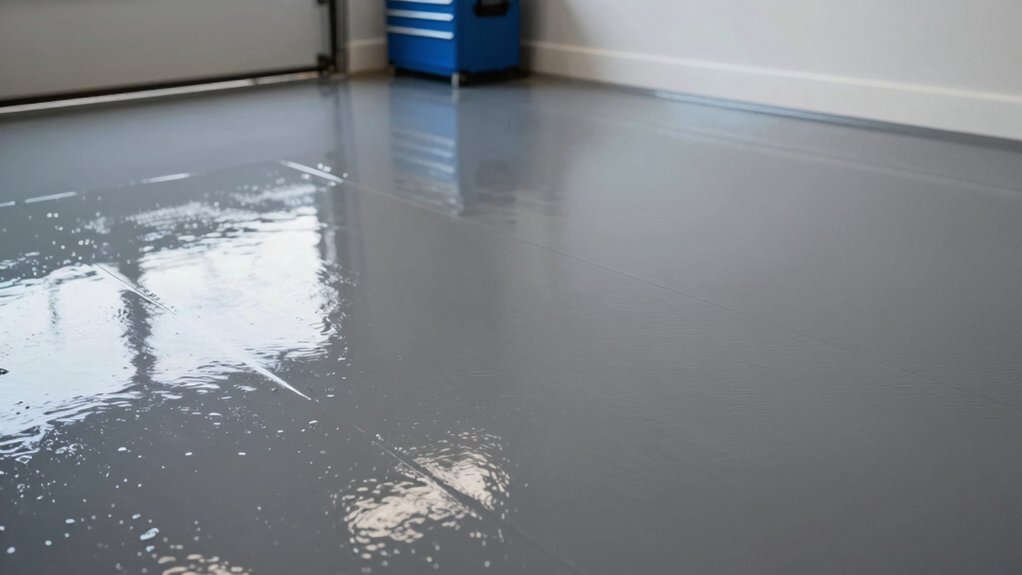
Shark garage floor coating costs range from affordable basic systems to premium setups, driven by the formula type, surface prep, and installation complexity. Expect higher prices with epoxy or premium polyaspartic formulas, decorative flakes, and warranties. Your total hinges on garage size, prep needs, and whether you DIY or hire pros. Add-ons like color, texture, … Read more
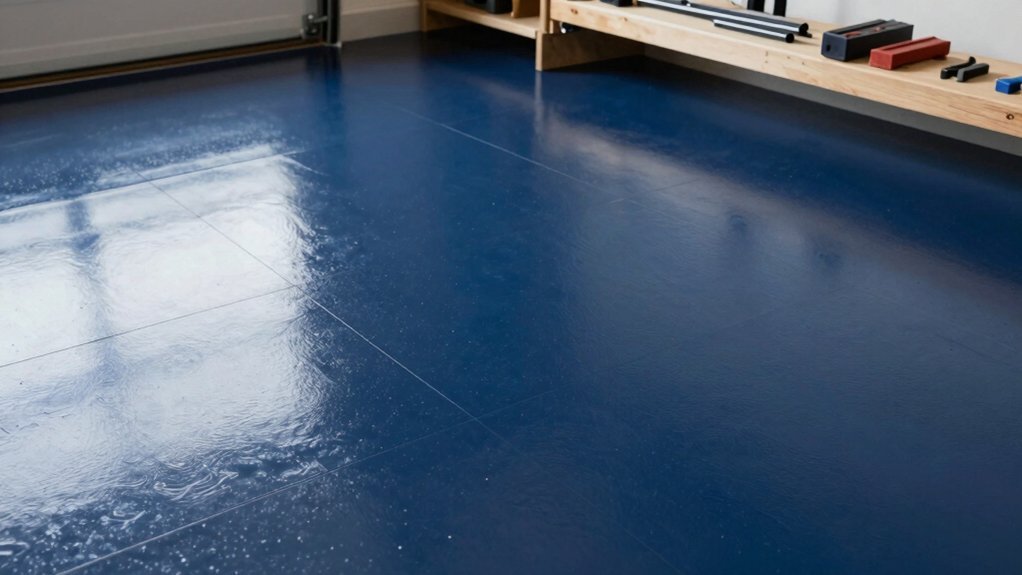
Shark coating a garage floor typically runs in the low-to-mid four figures per job, driven by prep work, coating type, area, and finish. Expect higher costs if you need moisture tests, grinding, patching, or extra coats. A larger garage lowers some fixed setup costs but increases materials and labor. DIY saves about 25–40%, yet risks … Read more
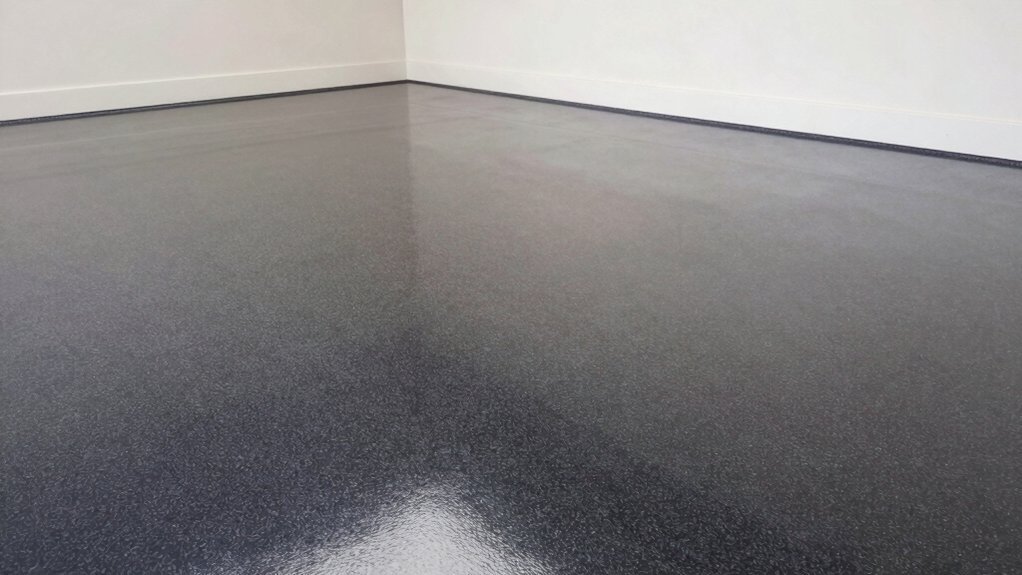
For a garage floor, choose a light neutral or cool white to brighten the space and improve visibility, especially under bright task lighting. These tones reflect more light and reduce shadowed areas, aiding safety and accuracy in projects. If you’d rather hide grime between maintenance cycles, neutrals and dark tones in matte finishes mask spills … Read more
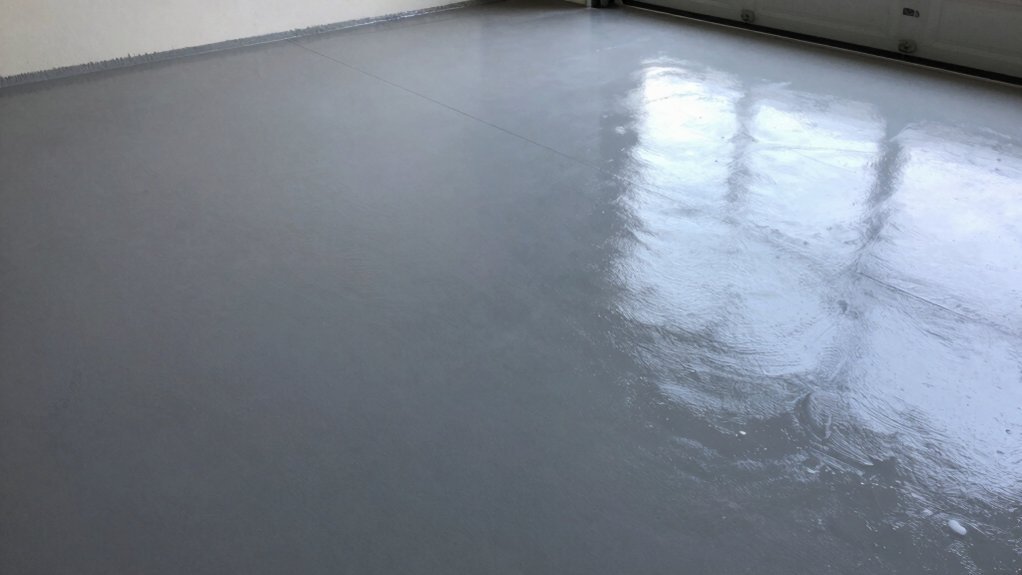
You can expect to spend a few hundred to several thousand dollars to paint a two-car garage floor, depending on coating choice, prep needs, and whether you DIY or hire a pro. Key cost drivers are surface condition, square footage, and coating type—epoxy lasts longer but costs more than latex. DIY saves money but takes … Read more
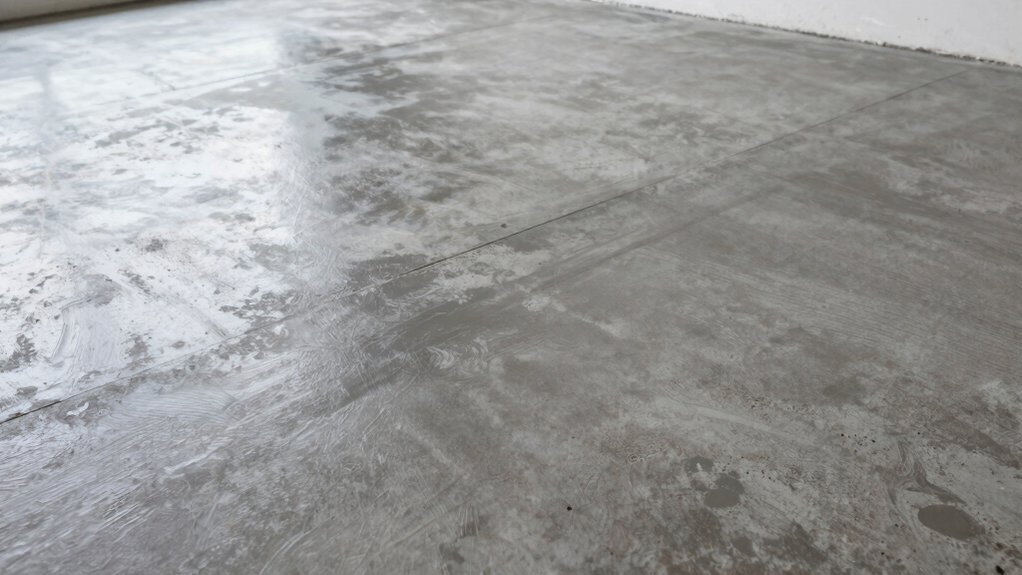
Painting concrete floors is cost-effective and fast, offering easier cleaning, better safety through color-coded zones, and customizable aesthetics. The downsides include potential peeling if surface prep is skipped, and performance depends on the coating system, moisture, and adhesion. Durability hinges on proper profiling, compatible primers, and regular maintenance. Long-term costs can rise if coatings wear … Read more
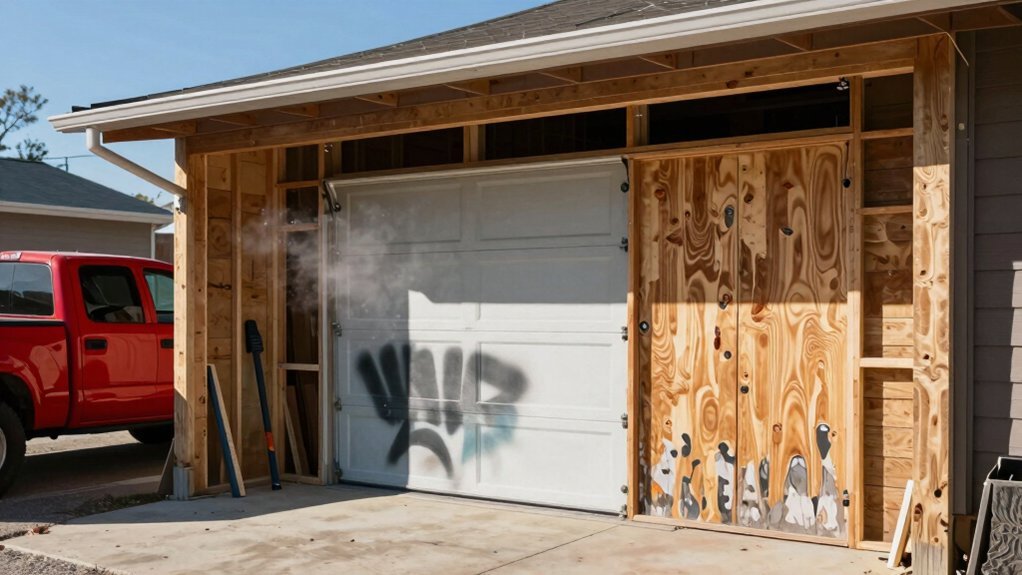
Builders don’t paint the garage up front because it’s a high-winish, high-risk area. They focus first on structure, moisture control, and durability, using primers and finishes that resist wear, chemicals, and temperature swings. Paint might delay other trades or get damaged by weather, moisture, and surface prep gaps. A painted garage later protects concrete, drywall, … Read more
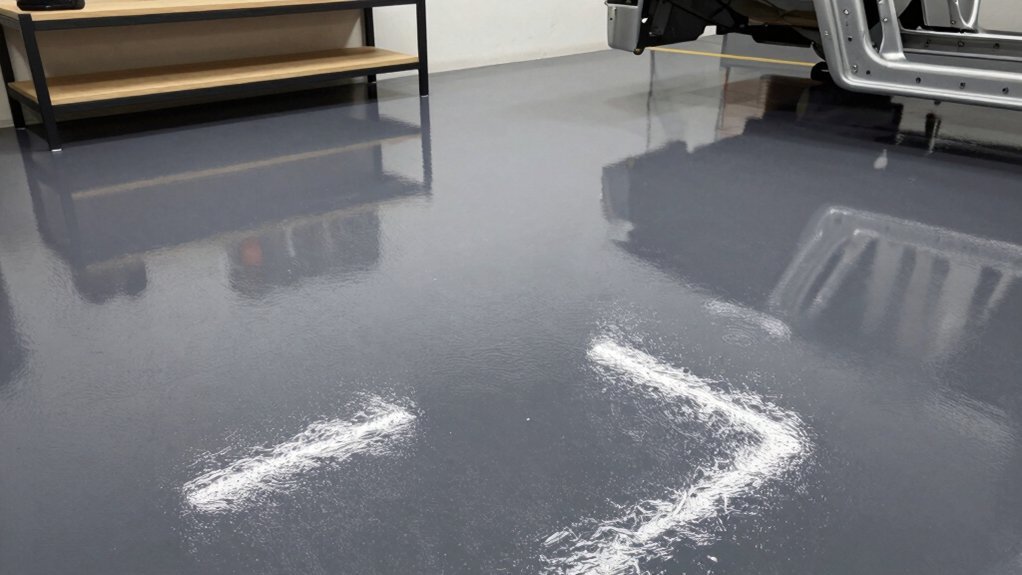
Garage floor coating costs typically run from $3 to $18 per square foot, so a standard 2‑car garage (~400 sq ft) usually lands in the $1,200–$7,200 range. Epoxy is on the low end, while polyaspartic or premium blends push higher, with prep, disposal, and labor shaping the total. Your best value comes from transparent quotes … Read more
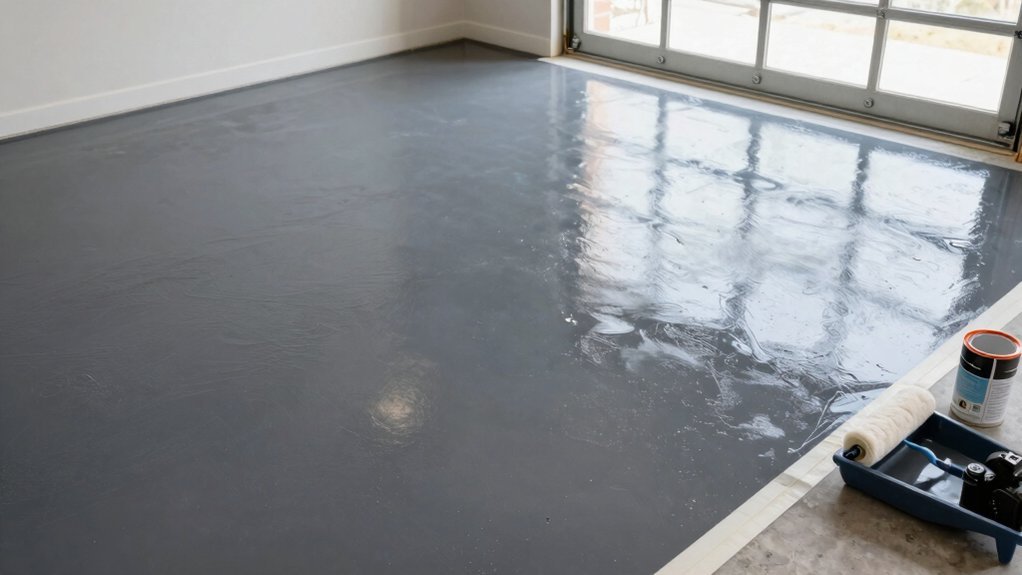
Yes, painting your garage floor is worth it if you want durability, easier cleanup, and a safer space. A proper coating protects concrete from spills, stains, and wear, improves traction, and boosts curb appeal. Expect to invest in good surface prep, correct primer, and a suitable coating (epoxy, acrylic, or polyurethane) for your climate and … Read more
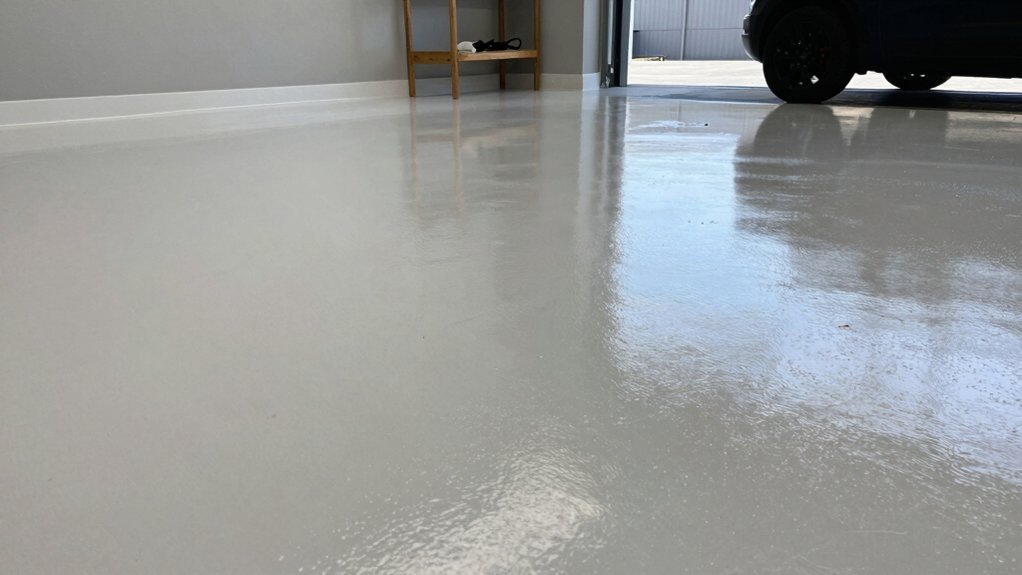
Painting your garage floor is a smart idea if you want easier cleanups, better chemical resistance, and a sharper look that can boost resale value. It protects against moisture and wear, and modern coatings dry faster and withstand heavy use. Expect a bit of prep—debris removal, crack filling, and etching—plus proper ventilation and curing time. … Read more