Epoxy vs. Polyurea vs. Polyaspartic Garage Floor Coatings
Epoxy delivers cost-efficient, rigid floors with solid chemical resistance, but it’s slower to cure and less forgiving on moisture. Polyurea sets fastest and resists abrasion well, yet it demands meticulous surface prep and precise application. Polyaspartic sits between, offering quicker cure, good hardness, and stronger chemical tolerance with easier finishing. Your choice hinges on cure time, durability, and prep labor. If you want a balanced view across all traits, you’ll uncover more specifics as you continue.
Key Takeaways
- Epoxy is cost-effective with strong rigidity and long-term durability but slower cure times and higher moisture sensitivity than polyurea or polyaspartic.
- Polyurea sets fastest and offers superior abrasion resistance, but requires meticulous surface prep and precise mixing/application.
- Polyaspartic provides a balance of quick cure, hard finish, and chemical tolerance with simpler prep than polyurea.
- Application method (spray vs. roll/brush) and ambient conditions significantly affect edge integrity, cure windows, and seam durability.
- Long-term performance depends on UV stability, maintenance needs, and substrate prep quality, influencing total lifecycle costs.
Epoxy, Polyurea, and Polyaspartic: Which Garage Coating Fits Your Needs?
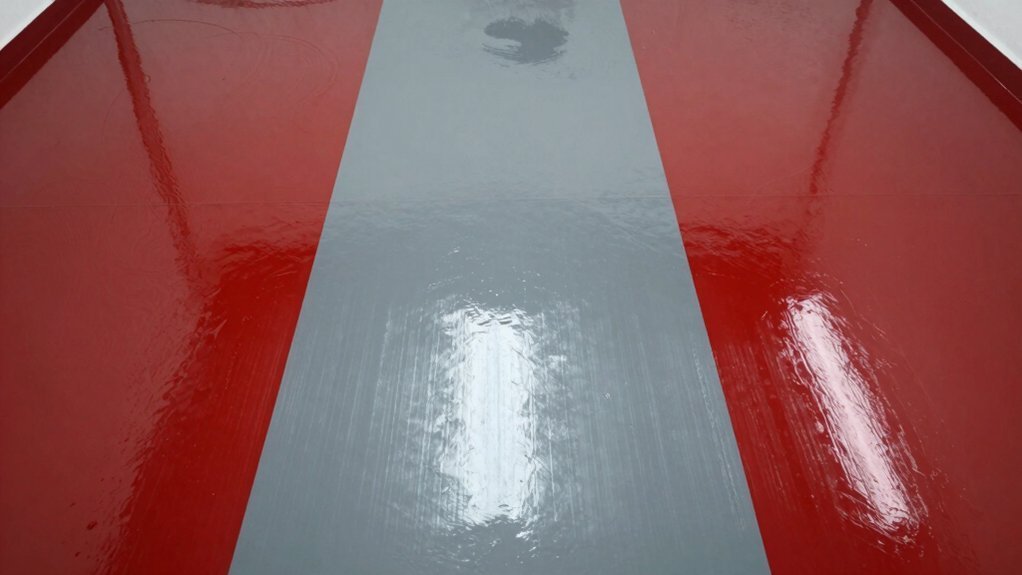
When choosing between epoxy, polyurea, and polyaspartic coatings for your garage floor, you should first focus on performance traits that matter most to you: cure time, durability, chemical resistance, and installation practicality.
In practical terms, you’ll gauge how quickly each option dries, how it withstands car fluids, and whether a DIY or pro install fits your schedule. Epoxy offers solid cost efficiency and robust long-term rigidity, but longer cure times can impede throughput.
Polyurea delivers rapid set and superior abrasion resistance, yet can demand meticulous surface prep.
Polyaspartic blends aim for a balance of speed and hardness with good chemical tolerance.
Assess garage aesthetics and cost considerations alongside these traits to decide which coating aligns with your priorities and workflow.


How We Judge Each Option: Durability, Cure Time, Chemical and Moisture Resistance
Durability, cure time, and chemical and moisture resistance are the core axes we use to judge each option.
You evaluate durability by examining wear resistance, impact tolerance, and long‑term adhesion under foot traffic and equipment.
Cure time is measured by hard unity, cure windows, and return-to-service timing, accounting for ambient conditions.
Chemical and moisture resistance look at exposure to solvents, cleaners, oils, and humidity, plus vapor transmission and substrate permeability.
You’ll also consider application techniques, noting how brushing, rolling, or spray methods affect film integrity and seam reliability.
Aesthetic options matter too: color retention, gloss stability, and surface texture influence perceived performance without sacrificing measurable protection.
This framework yields objective comparisons, limiting bias and guiding decisions toward evidence-backed choices.
Installation Expectations: What Happens When You Coat Your Garage Floor
Coating a garage floor begins with surface prep that directly dictates performance: a clean, dry, and mechanically keyable substrate reduces adhesion failures and minimizes seaming vulnerabilities. You’ll perform dust-free cleaning, stain removal, and moisture assessment before any product touches the concrete.
Expect surface prep to define bond quality more than pigment choice or topcoat hardness. Once the substrate is prepared, your application techniques become the primary driver of uniform film formation, cure consistency, and edge integrity. Roll, brush, or squeegee methods must maintain even thickness and avoid air entrapment.
Ambient conditions—temperature and humidity—shape cure kinetics and odor emission. You’ll verify patch repairs, coverage rates, and recoat windows, then proceed with the chosen coating system. Proper sequencing foresees minimal defects and predictable performance, reducing the need for remediation later.
Real-World Performance, Longevity, and Upkeep
Real-world performance hinges on how each coating resists abrasion, chemical exposure, and UV degradation under typical garage use. You’ll compare durability by field data, not marketing claims, focusing on failure modes, retrofit needs, and maintenance cycles.
Longevity varies with substrate prep, cure window, and environmental conditions, so expect differences in service life between systems.
- Application techniques influence wear resistance and cure reliability.
- UV stability and chalking correlate with long-term appearance and protection.
- Chemical resistance determines spill tolerance and cleaning frequency.
- Maintenance requirements drive total cost and downtime.
- Environmental impact matters from raw materials to end-of-life disposal.
Choose Your Coating: A Practical, Step-by-Step Decision Framework

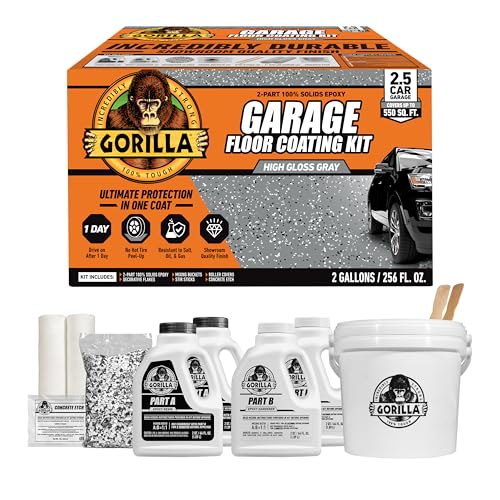

To pick the right garage floor coating, start with a practical assessment of your priorities and constraints, then map them to a coating’s performance profile and installation realities.
Begin by listing must-haves (durability, chemical resistance, cure time) and negotiables (ease of application, requires minimal maintenance). Match these to each system’s data: epoxy, polyurea, and polyaspartic performance curves, including abrasion resistance, UV stability, and lifecycle costs.
Consider installation realities: surface prep depth, temperature limits, ventilation, and curing windows. Then evaluate color options and how they align with visibility, aesthetics, and showroom intent.
Address budget considerations by calculating material cost, tools, labor, and downtime. Conclude with a ranking: best overall balance, fastest install, and longest lifespan for your scenario.
Use empirical criteria to justify every choice.


Frequently Asked Questions
How Do Costs Vary by Coating Type and Installation Method?
Costs vary by coating type and method; epoxy typically cheapest, polyurea mid-range, polyaspartic highest, with fast-curing options costing more. You’ll see cost comparison driven by material, prep, and installation expenses, especially labor, surface prep, and coating thickness.
Which Coating Is Best for High-Traffic Commercial Garages?
Polyurea tops durability and cure speed, so it’s best for high-traffic commercial garages. You’ll get strong traffic durability and slip resistance, with rapid turnaround—though epoxy offers cost savings. Choose polyurea for performance, not procrastination.
Can DIY Kits Match Professional-Grade Results Long-Term?
DIY kits can’t reliably match professional-grade results long-term; you’ll face DIY challenges, like surface prep and cure control, which degrade long term durability. You’ll need meticulous prep, controlled environment, and quality materials to improve durability.
Do Coatings Affect Electrical Safety or Grounding in Garages?
Coatings influence grounding safety and electrical conductivity modestly; you still must use proper grounding, moisture barriers, and sealants. They aren’t substitutes for safe electrical practices. Inspect coatings for continuity, and consult a licensed electrician to verify.
How Do Ventilation and Humidity Impact Cure in Cold Climates?
Ventilation and humidity affect cure in cold climates: moisture curing slows as temperatures drop, while high humidity can introduce moisture glitches. You’ll see longer cure times, uneven film formation, and increased risks of pinholes; monitor temperature and moisture closely, adjust accordingly.
Conclusion
You’ve weighed durability, cure time, and resistance, and you’re closer to a choice. Epoxy offers value, polyurea speeds up timelines, and polyaspartic blends strong chemical resistance with practical application. Use this framework to align with your garage use, climate, and maintenance willingness. If you want fast returns, pick polyurea; if you prioritize long-term cost, epoxy; for a balance, polyaspartic. In the end, you’ll have a coating that stands up and sticks around—no ifs, ands, or buts. You’re set to roll.