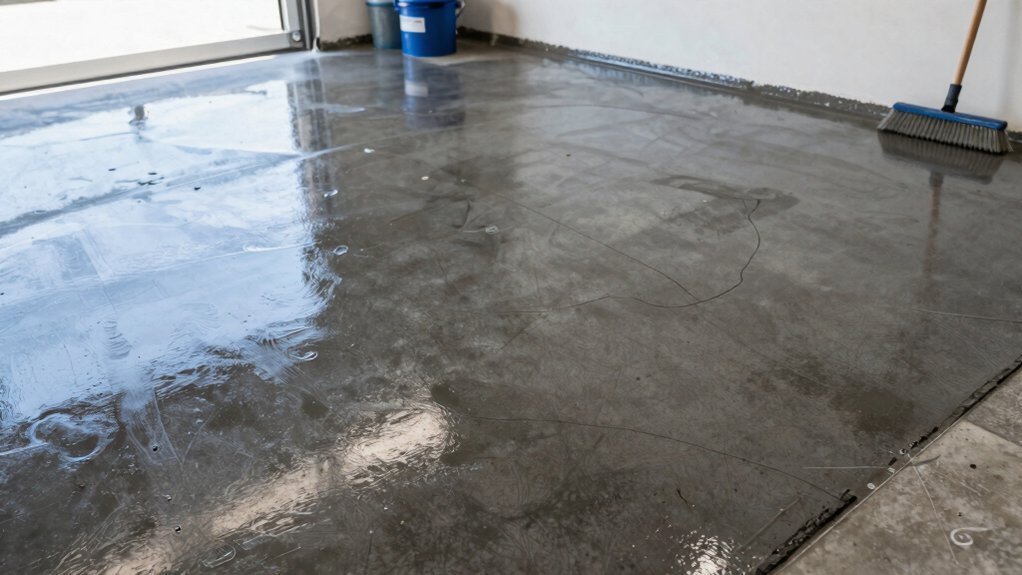
A garage floor sealant cost varies from a few hundred to several thousand dollars, depending on your garage size, prep work, product choice, and whether you DIY or hire pros. Expect base material costs for coatings, primers, and seals, plus upcharges for crack repair, moisture testing, etching, and closing gaps. Labor matters most if you hire pros, especially for prep. Regional prices and cure times also tilt the total. Ready to see how to estimate yours precisely?
Estimate Your Total Garage Floor Sealing Cost: A Step-by-Step Guide
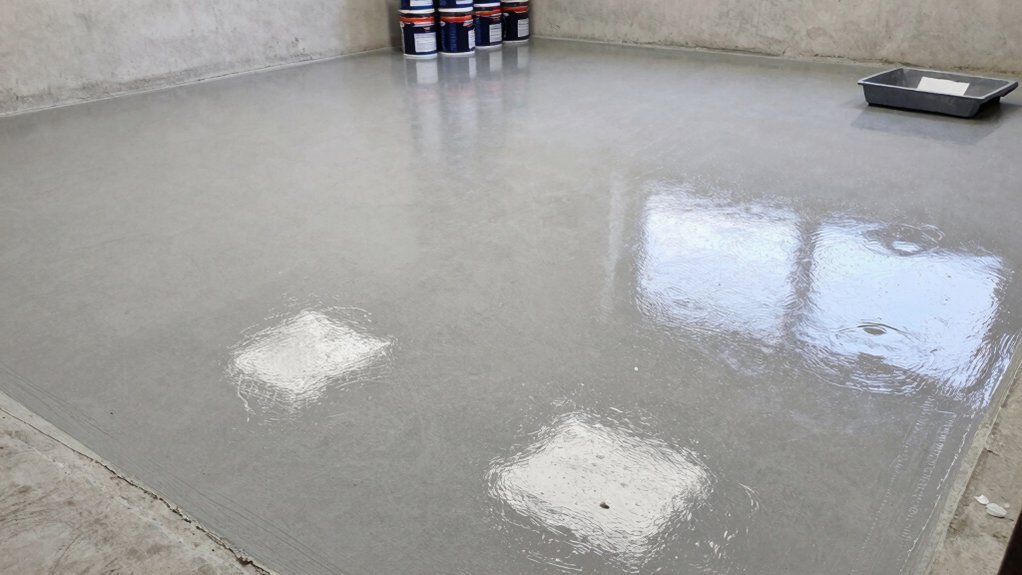
Estimating your total garage floor sealing cost starts with a clear inventory of the work. You’ll itemize surfaces, square footage, and any cracks or spalling that require attention. Assess prep needs, such as cleaning, etching, patching, and moisture sealing, to ensure consistent adhesion.
Next, define the scope: number of coats, choice of sealant type, and whether you’ll rent or hire equipment, like a roller, sprayer, or squeegee. Consider indoor ventilation, cure times, and potential odor control, which influence labor duration.
Gather manufacturer guidelines to confirm coverage rates and recommended application windows. Budget for contingencies—unexpected repairs or surface reconditioning—so you don’t underprice the job.
What Affects Material Costs: Coatings, Primers, and Sealants
Coatings, primers, and sealants are the main cost drivers for garage floor milling out the materials you actually apply. You’ll pay a premium for performance-grade epoxy or polyaspartic coatings that resist wear and chemicals, with primers matching substrate porosity to guarantee adhesion.
Sealants vary by resin system: penetrating sealers offer budget defense, while penetrating plus top coats deliver moisture and stain resistance at higher cost. Material choice hinges on desired gloss, durability, and cure time.
Concrete texture affects adhesion prep and coating thickness, influencing material use and labor needs. Environmental factors like temperature, humidity, and exposure to fuels or cleaners alter cure rates and long-term performance, shaping required resin solids and VOC limits.
Plan for testing, sequencing, and contingencies to optimize total material spend.
DIY vs. Hiring Pros: Labor Costs and Decision Criteria
When deciding whether to DIY or hire pros for your garage floor, start by weighing labor costs against certainty of result and timeline. A cost comparison shows DIY saves on labor but risks longer cycles if you encounter prep or application hiccups.
If you’re comfortable with mixing ratios, surface prep, and following product instructions, you can achieve a durable seal at a lower price.
If your skill level is limited, hiring pros reduces the chance of costly mistakes and rework, though it raises upfront and total costs.
Consider warranties, access to professional-grade products, and expected cure times.
Decision criteria should balance budget, schedule, and tolerance for risks, ensuring the final finish aligns with intended use and long‑term maintenance.
Prep Work That Drives Costs: Cracks, Moisture, Etching, and Testing
Cracks, moisture, etching, and testing drive the cost of prep because each issue forces targeted work and material use before you can seal. You’ll address cracks with proper routing, filling, and curing to prevent telegraphed flaws.
Moisture monitoring guides moisture mitigation, especially when vapor drives can compromise adhesion.
Etching, when needed, ensures the surface yields a strong profile for bonding without oversharpening, reducing future failure risks.
Testing confirms substrate readiness, identifying hidden defects and ensuring compatibility with sealant chemistry.
Rebar corrosion remains a latent concern when moisture and chlorides are present, so you’ll verify condition and address corrosion-linked voids.
Oil stains demand thorough cleaning and possible degreasing prior to sealing, to avoid trapped contaminants that impair adhesion and long-term performance.
Precision prep minimizes failures and future warranty issues.
Price Ranges by Product Type and Quality
Product type sets the base price, from epoxy and polyaspartic systems to water-based sealers. Higher-performance options carry a premium.
Quality variations push costs further, as coverage rates, durability, and UV resistance change per square foot and per kit.
Your method—stir, apply, cure—also affects expense, since pros often require more coats, specialty tools, or surface prep for best results.
Product Type Differences
There are several product types to contemplate for sealing a concrete garage floor, and price varies by material, durability, and performance. You’ll encounter epoxy coatings, which deliver hard, chemical-resistant finishes with higher upfront costs but longer service life.
Acrylic sealants offer faster application and lower initial expense, yet typically require more maintenance and reapplication intervals. Penetrating sealers, such as silanes and siloxanes, focus on moisture control with minimal surface sheen and modest price, but don’t alter the grip or appearance dramatically.
Polyurethane-based systems balance abrasion resistance with flexibility, often at mid-range prices. When evaluating, consider cure time, UV stability, and compatibility with coatings beneath or atop.
Your choice should align with traffic, exposure, and maintenance expectations to optimize long-term value.
Quality Cost Variations
Quality costs vary by product type and quality because performance, durability, and maintenance drive long-term value. When evaluating options, you’ll see a clear price ladder: basic sealers offer modest protection at lower cost, while premium, UV-stable polyurethanes or complex acrylic systems command higher prices for extended life and faster cure times.
Expect costs to rise with added features like stain resistance, chemical resistance, and lower VOC formulations. Surface textures and intended appearance influence value; textured or non-slip finishes may incur extra material and labor charges, while smooth, glossy looks can push up price due to higher pigment load and leveling requirements.
Color options can add upfront cost but may reduce long-term maintenance. Choose based on performance needs, not only upfront price.
Application Method Impacts
Application method can shift total costs even within the same product type and quality. You’ll see price bands widen or narrow based on technique, surface prep, and equipment.
Roller-applied coatings usually cost less per square foot than spray-applied or trowel-applied systems, but labor and prep hours can offset the difference.
Surface profile, porosity, and moisture detection influence material consumption and curing times, altering overall value.
Epoxies, polyurethanes, and acrylic sealers differ in durability, gloss, and resistance, yet you pay for each method’s specific curing requirements.
Substrate repairs, masking, and ventilation also impact costs.
Plan for longer curing times with high-solid systems, which can constrain installation windows but may improve longevity and performance.
Choose a method aligned with expected traffic and maintenance.
Hidden Costs and Maintenance Over Time
While sealing once protects your floor, hidden costs and maintenance over time can surprise you. Even with a quality seal, you may encounter occasional resealing, surface repair, or accelerated wear from heavy use.
Plan for hidden expenses like prep work, moisture testing, and potential coatings compatible with floor joints and adjacent materials. Maintenance isn’t a one-off event; you’ll need periodic inspections to detect micro-cracks, peeling, or gloss loss that hints at reduced protection.
Expect long term upkeep to require routine cleaning compatibility checks, reapplication intervals, and occasional stripping before resealing to restore effective adhesion. Airborne contaminants or chemical spills can necessitate spot treatment, increasing costs beyond initial estimates.
Budget for lifecycle costs alongside upfront quotes to avoid surprises and preserve durable, even performance over years.
Quick Budgeting Checklist to Get an Accurate Quote
To get an accurate quote, start with a concise budgeting checklist that covers scope, materials, and labor. You’ll define project boundaries, surface prep, and any repairs before pricing.
Itemize the coating system, primer, sealant type, and any anti-slip additives, plus estimated throughput and cure times.
Quantify region-specific costs, including material delivery and disposal.
Consider garage aesthetics by selecting color options, patterns, and gloss level, then map how these choices affect quantities and labor hours.
Compare sealing benefits across products—epoxy, polyaspartic, or polyurethane—focusing on durability, chemical resistance, and UV stability.
Assess substrate condition, moisture risk, and contingency for surface prep.
Request detailed quotes that show unit costs, labor rates, and warranty terms to ensure thorough, apples-to-apples budgeting.
Frequently Asked Questions
How Long Does Sealing Last Before Reapplication Is Needed?
Sealing lasts about 2–5 years, depending on traffic and wear. You should follow a maintenance schedule by inspecting for wear annually and resealing when sheen diminishes. This sealing durability guides your upkeep decisions precisely.
Will Floor Color Impact Overall Sealing Costs?
Yes, floor color can affect costs, since darker or pigmented finishes require more sealant types and coats. You’ll weigh Garage aesthetics and Sealant types, balancing look against longevity, maintenance, and overall project budget.
Do Warranties Affect the Total Price?
Warranty coverage can influence total price, but it’s typically a small premium for longer sealing longevity. You’ll gain peace of mind, tighter coverage, and potentially fewer reseals. Consider documented warranties to guarantee consistent uptime and durable protection.
Can Discounts Apply to Bulk or Multiple Garages?
Yes, bulk discounts can apply if you’re sealing multiple garages. For bulk discounts, you should ask for a quote covering multiple garages, and providers typically offer per‑unit reductions when you commit to several spaces at once.
Is Ventilation Required During Application and Drying?
Ventilation is required during application and the drying process; you’ll want fresh air circulating to prevent fumes. You’ll follow manufacturer guidance, maintain airflow, and monitor conditions to guarantee a safe, even seal.
Conclusion
Sealing a concrete garage floor costs vary with coating type, prep, and labor, but you can pin it down with a clear budget. Expect materials to run from economical sealers to premium coatings, plus primers and crack repair. Labor can double the tab if you hire pros. Do thorough prep—etching, moisture tests, and crack filling—to avoid costly callbacks. Quick budget tip: get multiple quotes, specify product quality, and consider maintenance. Plan for hidden fixes that pop up over time; your wallet will thank you.