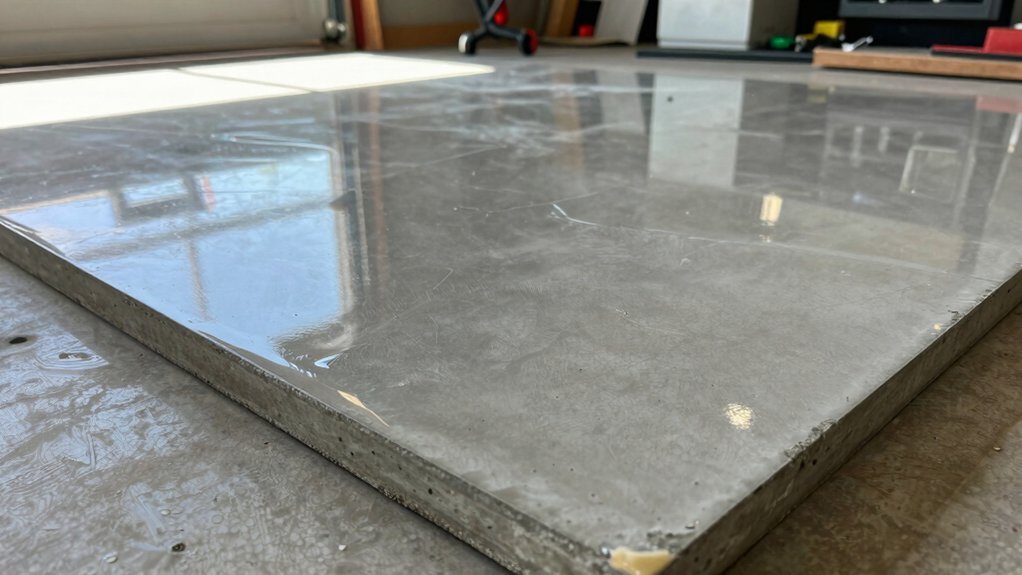
Sealing concrete can prevent staining and moisture transfer, but it often introduces breathing restrictions, moisture entrapment, and adhesion challenges that may cause peeling, cracking, or long-term damage if not done correctly. Sealers can impair capillary moisture movement, slow vapor diffusion, and trap moisture behind the coating, especially with improper curing or climate. Incorrect sealer choice or substrate prep worsens issues and increases maintenance costs. If you keep exploring, you’ll learn how to avoid these pitfalls and optimize performance.
Should You Seal Concrete? A Quick Decision Guide
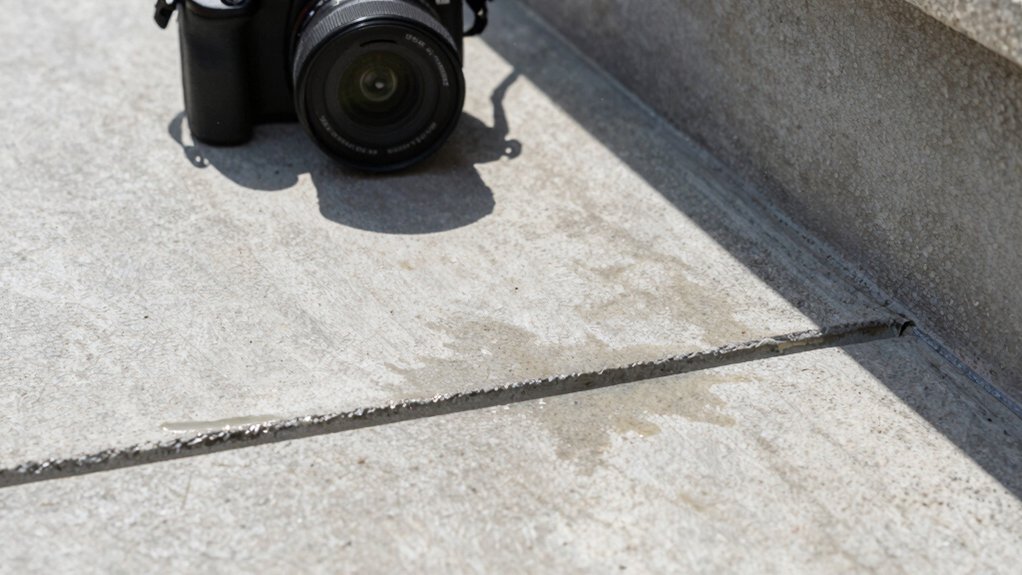
Sealing concrete isn’t always necessary, and deciding whether to seal depends on how the surface will be used and exposed. You should consider expected traffic, chemical exposure, and maintenance plans to decide if sealing adds value.
For high-traffic floors, sealers can reduce surface discoloration by limiting moisture and staining agents. If you anticipate chemical spills, select a sealer with chemical resistance suitable for the anticipated exposures.
Sealing can alter slip resistance and reflectivity, affecting safety and appearance, so evaluate these tradeoffs before proceeding. If the surface will remain indoors with controlled conditions, you may postpone sealing while monitoring performance.
In outdoor or harsh environments, timely sealing often provides durable protection. Remember to document cure times and reapplication intervals to manage long‑term maintenance effectively.
How Sealing Affects Moisture and Breathability
Moisture movement and material breathability change when a sealer is applied. Sealing creates a more water-repellent surface, reducing capillary transport of moisture from the substrate to the surface.
Depending on the product, vapor diffusion may slow, potentially delaying evaporation from the concrete interior. Breathability is therefore diminished, which can shift moisture behavior from free movement to slower, thermodynamically limited pathways.
If the sealer forms microcracks or fails, moisture entrapment may occur behind the coating, elevating RH locally and promoting trapped condensation. The degree of change hinges on the porosity of the concrete, the sealer’s porosity, and the presence of film-forming agents.
Inadequate curing and environmental conditions at application can exacerbate breathability issues, influencing long-term durability and surface performance.
Risks to Watch: Peeling, Cracking, and Staining
Even as sealing reduces moisture transfer, it introduces specific failure risks you should monitor: peeling, cracking, and staining. When you observe peeling, the bond between coating and concrete weakens, often signaling substrate contamination or improper surface prep.
Cracking reflects substrate movement or over-application pressure, creating pathways for moisture and contaminants. Staining indicates dye, mineral migration, or chemical incompatibilities that survive cure, potentially promoted by humidity.
Pest infestation and chemical hazards may exploit compromised surfaces, accelerating degradation and complicating remediation. Proactive inspection prevents escalation and guides timely repairs.
- Peeling due to poor adhesion or contamination
- Cracking from movement, over-application, or substrate mismatch
- Staining from incompatible pigments or moisture pockets
Costs, Maintenance, and Longevity: What It Really Takes
Maintenance costs for concrete sealers vary with product type, surface condition, and environmental exposure, but predictability comes from understanding lifecycle steps and failure modes.
You assess upfront material compatibility, application technique, and cure reliability to gauge long-term spend. Maintenance intervals hinge on traffic load, cleaning frequency, and substrate porosity, influencing recoating need and material consumption.
Longevity rests on sealant chemistry, substrate preparation, and environmental exposure, with failures often traceable to incomplete penetration or improper curing.
You should plan for periodic inspection, spot repairs, and timely reseals to minimize total cost of ownership.
Chemical reactions within the sealer matrix and interactions with contaminants determine protection duration; environmental impact of coatings affects service life and disposal.
Ultimately, you balance initial cost against durability and ease of maintenance to optimize lifecycle value.
Climate, Surfaces, and Sealer Compatibility
Climate, surfaces, and sealer compatibility hinge on matching material chemistry to environmental conditions and substrate characteristics; selecting the wrong combination can compromise adhesion, cure, and performance.
You assess climate factors such as humidity, temperature, and ventilation, then compare substrate porosity, texture, and moisture content. Sealer chemistry must align with these variables to prevent failure and ensure durability.
- Select sealers with suitable pH balance to avoid corrosion of aggregates and binders, especially on lime-rich or alkaline substrates.
- Evaluate VOC emissions and indoor-air quality implications, choosing low-VOC formulations when ventilation is limited.
- Match surface preparation and sealer type to anticipated moisture exposure, traffic, and cleaning regimes to sustain appearance and protective performance.
Frequently Asked Questions
Can Sealing Concrete Cause Mold Growth or Mildew Issues?
Sealing concrete can contribute to moisture entrapment under slabs or coatings, potentially fostering mold or mildew growth if drainage is poor, or ventilation is inadequate; surface discoloration may accompany damp conditions, revealing hidden moisture rather than pathogens themselves.
Does Sealing Prevent Concrete From Breathing at All Times?
Sealing doesn’t block all breathability; it reduces surface moisture exchange. It can cause moisture entrapment if over-applied or substrate is damp. You must monitor vapor transmission and maintain surface breathability to avoid issues.
Are There Health Risks From Fumes in Indoor Applications?
Indoor fumes can pose health risks if PPE isn’t used and ventilation is inadequate; you should guarantee proper curing, ventilation, and product selection to minimize exposure while indoors. Assess room volume, apply low-VOC sealants, and monitor air quality economically.
Will Sealers Affect Slip Resistance and Traction?
Sealants can improve slip resistance if properly applied; however, some coatings may reduce traction on wet surfaces. You’ll notice slip reduction in dry conditions, while surface durability improves, but check abrasion ratings and reapplication intervals for maximum performance.
How Do Sealers Impact Long-Term Structural Integrity?
Sealers can slightly retard moisture exchange, but you may risk moisture entrapment and moisture-related damage if improper ventilation or thick coatings occur. Avoid accelerated chemical reactions from excessive sealers; guarantee proper curing, ventilation, and compatible product selection for long-term integrity.
Conclusion
Sealing concrete can protect surfaces, control moisture, and extend life, yet it can trap moisture, alter breathability, and provoke peeling, cracking, or staining if misapplied. You’ll face upfront costs, ongoing maintenance, and potential compatibility issues with surface finishes. You’ll need climate awareness, proper product selection, and careful preparation. You’ll evaluate porosity, drainage, and traffic demands, weigh aesthetics against performance, and plan reapplication cycles. You’ll balance benefits with risks, and choose sealing only when benefits outweigh drawbacks.