
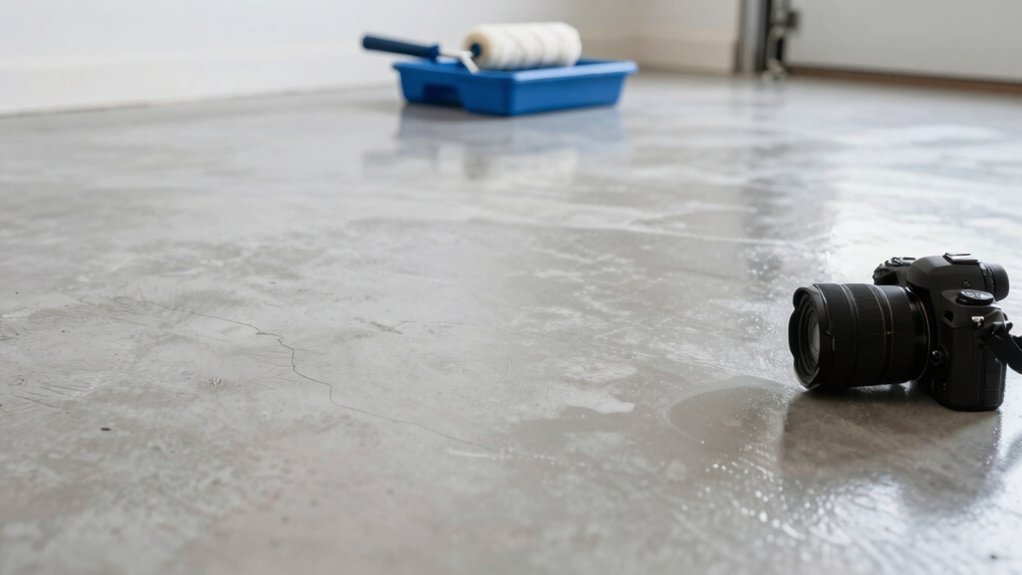
Yes, you should seal a garage floor before painting. Sealing locks in moisture, blocks dust, and improves adhesion, giving you a longer-lasting, professional finish. Look for signs like efflorescence, high porosity, or frequent cracking, then prep thoroughly: clean, repair cracks, and dry the surface. Choose a sealer that matches your paint type—epoxy sealers for epoxy or polyurethane tops, acrylic sealers for latex or acrylic paints. If you keep going, you’ll discover more practical steps and tips to maximize durability.
Do You Need to Seal Before Painting Your Garage Floor?
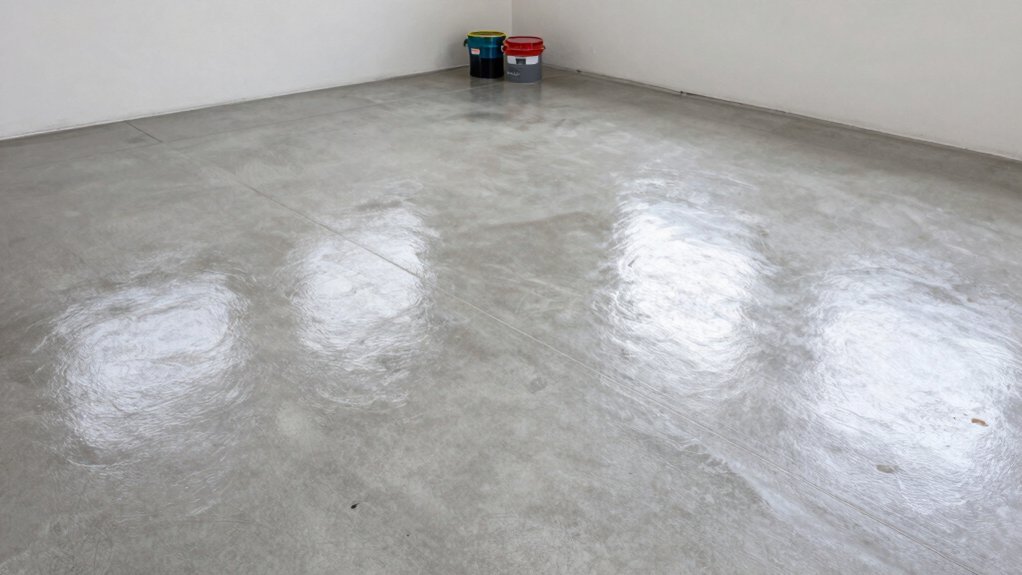
Yes, you should seal a garage floor before painting. Sealing first locks in moisture and blocks dust, improving adhesion for your coating.
You’ll want a clear plan: clean thoroughly, repair cracks, and choose the right product. If you’re avoiding epoxy, consider epoxy alternatives that still create a solid base and resist wear.
Evaluate surface porosity; more porous concrete benefits from a penetrative seal, while non-porous slabs may only need a surface seal.
Apply evenly with a roller or sprayer, following manufacturer directions for coverage and compatible coatings.
Allow proper curing time before painting, and test small areas for adhesion.
Remember the sealing benefits: enhanced adhesion, reduced staining, and longer-lasting color. This step prevents peeling and ensures a professional finish.
When to Seal: Five Concrete Signs That Sealing Is Recommended
Look for five concrete signs that sealing is recommended: visible efflorescence or powdery dust, high porosity that drinks water, frequent cracking or micro-fracking, staining from oils or chemicals, and surface dust that kicks up when you broom or walk on it. If you detect any of these, seal before painting to prevent future damage.
Chemical reactions can occur between moisture, salts, and paints, undermining adhesion if you skip sealing.
Surface porosity means the concrete soaks up liquids quickly, signaling a porous substrate that needs a protective layer for uniform color and durability.
Time your seal after cleaning but before coating, ensuring the surface is dry and dust-free.
Prioritize a test patch on a small area to confirm compatibility and performance.
Prep for Adhesion: Four Essential Steps for a Durable Finish
Before you apply paint, you must prep for adhesion with four essential steps: clean, repair, prime, and test.
First, clean the surface thoroughly to remove dust, oil, and debris; use a degreaser on stubborn spots.
Next, repair any cracks or spalls; fill voids smoothly and dry completely.
Then, choose a primer compatible with your coating and the concrete, applying even coats to seal porosity.
Finally, test adhesion in a small area; scratch and try a finger rub to confirm grip, recoat if needed.
Verify epoxy compatibility with your chosen system and ensure moisture barriers are intact to prevent damp transfer.
This four-step routine minimizes peeling risk and yields durable adhesion for a long-lasting finish.
Sealing Options That Pair With Common Garage-Floor Paints
Choosing the right sealer is essential because it affects adhesion, moisture control, and compatibility with your garage-floor paint.
If you’re choosing between epoxy versus acrylic systems, understand their pairing with common paints. Epoxy sealers often deliver tough, chemical‑resistant bases that tolerate heavy traffic and oil hits, aligning with epoxy or polyurethane topcoats.
Acrylic sealers dry quickly, cost less, and suit latex or acrylic paints, but offer moderate durability. For high-traffic garages, epoxy-based sealers usually reduce chipping and wear, while acrylic options maximize speed and sealing cost efficiency.
Consider the surface condition and porosity; sealers should penetrate slightly before forming a film.
Apply per manufacturer instructions, maintain ventilation, and avoid pooling.
Finally, match color and gloss to the topcoat for a uniform, lasting finish.
Troubleshooting and Maintenance After Painting
After sealing, you’ll want to verify the coating’s cure and monitor for issues that can crop up as it settles. Begin by inspecting for pinholes, blisters, or uneven sheen within 48 hours of drying. If you see lifting or soft spots, don’t foot-drag—revise ventilation, recheck moisture, and consider recoating only after the surface is fully cured.
Maintain a consistent temperature and avoid heavy traffic until cure is complete. Clean spills promptly to prevent staining and hardness changes.
For long-term durability, perform routine maintenance: reseal joints, monitor epoxy alternatives or traditional seals for wear, and address cracks promptly. Understanding sealing benefits helps you decide when a touch-up is needed.
Document conditions and outcomes to guide future projects and avoid repeated issues.
Frequently Asked Questions
Can Epoxy Resin Coatings Require Sealing Before Painting?
Epoxy resin coatings don’t require sealing before painting, but epoxy prep matters. You should seal porous patches to prevent moisture ingress; sealing benefits include improved adhesion and uniform finish, reducing pinholes. Follow manufacturer guidance for compatible sealers and primers.
Does Sealing Affect Slip Resistance on Garage Floors?
Sealed floors grip better; symbolism of a shield protects you. You’ll gain slip resistance with proper sealing benefits, so you move confidently. Apply consistent coats, proper curing, and test before walking—practical, precise guidance for safer garage floors.
How Long After Sealing Should Painting Begin?
Seal after prep; typically wait 24–72 hours before painting, depending on product. During garage preparation, make sure the surface is dry and fully cured. Sealing benefits include moisture resistance and a stable base for durable paint.
Are There Paint Types That Don’T Require Sealing at All?
Garage floor preparation matters; some paints don’t require sealing, but you should still reseach specifics. You’ll find better paint adhesion tips when you prep, test adhesion, and choose a high-coverage, compatible coating for your garage floor.
Can Sealing Void Manufacturer Warranties for Garage Paints?
Sealing can affect warranties, so check your product terms. You should document garage floor preparation steps and any sealing benefits, as improper sealing may void coverage. Follow manufacturer guidelines, use compatible sealers, and keep receipts for proof.
Conclusion
Sealing before you paint makes moisture and stains easier to beat, and it can extend your finish by up to 25–30% in longevity. If you see cracks, efflorescence, high porosity, or moisture, seal first. Then, follow the prep steps for better adhesion: clean, etch or profile, repair cracks, and let dry. Choose a concrete sealer compatible with your floor paint. After painting, maintain with a simple routine to protect shine and prevent peeling.