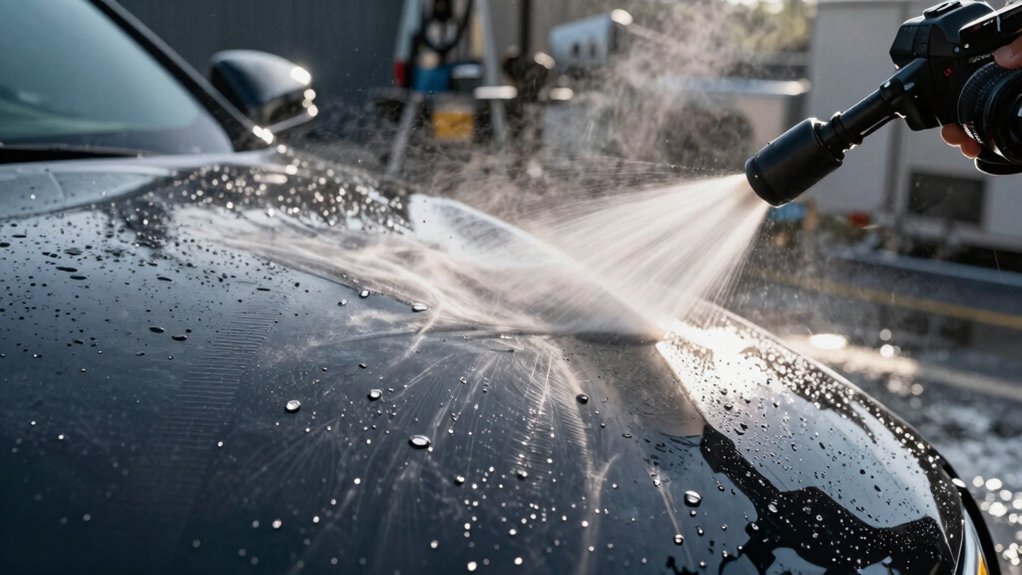
Yes, you can pressure wash Shark Coating, but only with manufacturer-approved methods. Use low pressure, a wide nozzle, and cool or lukewarm water, avoiding seams and edges. Test a small area first, then rinse outward from joints. Wear protective gear, inspect seals, and stop if you see peeling or discoloration. Maintain proper records, and verify warranty terms are met. If you keep going, you’ll discover step-by-step guidelines and safety tips for the process.
What Shark Coating Is and How It Works
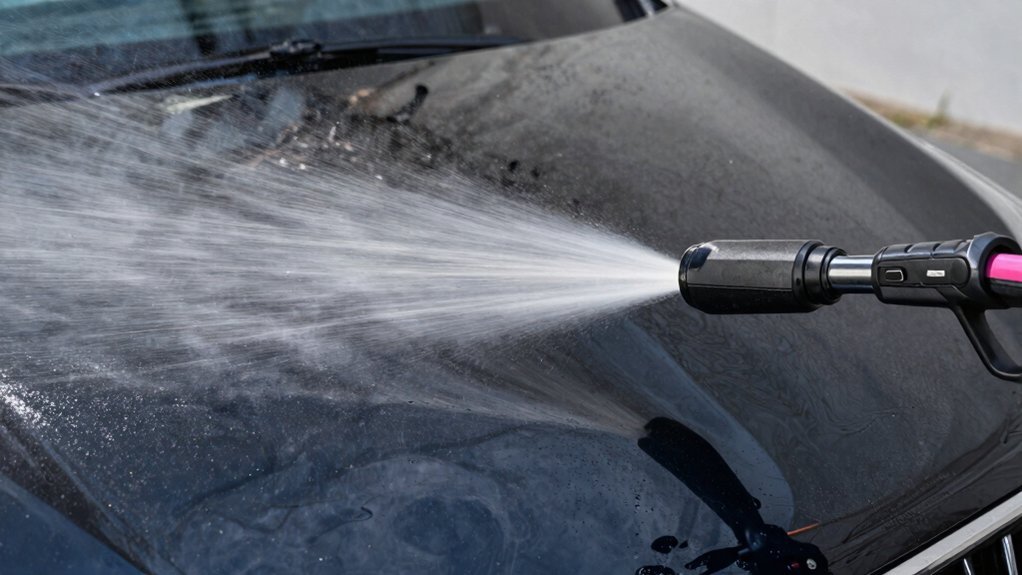
Shark coating is a protective layer applied to surfaces to prevent damage from water, chemicals, and daily wear. You’ll learn how it behaves and why it matters.
In essence, the coating forms a bonded film that seals pores and microcracks, reducing moisture ingress and chemical attack. You apply prep steps, allow proper curing, and verify adhesion before use.
Surface adhesion matters because a strong bond ensures the coating remains intact under exposure to cleaning or weathering. Temperature, humidity, and substrate type influence adhesion quality, so follow manufacturer guidelines precisely.
Coating durability comes from a balanced formulation: proper resin, hardener, and incrementally cured layers.
You assess wear patterns, schedule maintenance, and document results to maintain protective performance over time.
Safety protocols, ventilation, and personal protection remain vital throughout the process.
Is Pressure Washing Shark Coating Safe? Warranty and Legality Explained
Pressure washing Shark coating can be safe when you follow the manufacturer’s guidelines and use appropriate settings. You’ll want to verify coating durability expectations and read warranty coverage details before starting.
Legal and warranty considerations vary by product, contractor, and jurisdiction, so confirm you’re compliant with local regulations. Documented practices protect you if issues arise and help you avoid disputes about damage or coverage.
- Check disclosure requirements and warranty terms for the coating’s installed surface
- Maintain records of products used, application dates, and service visits
- Confirm any exclusions that limit warranty coverage after maintenance
If you’re unsure, consult the installer or manufacturer for written guidance. When used correctly, you reduce risk and preserve coating integrity while staying compliant.
Safe Cleaning Parameters for Shark Coating: Temperature, PSI, and Nozzle Tips
Determining safe cleaning parameters for Shark coating starts with the manufacturer’s guidelines and the coating’s durability ratings, then applying conservative settings to protect the surface.
You should begin with cool or lukewarm water, low to moderate PSI, and the widest available nozzle to minimize impact. Avoid high heat and direct, prolonged contact with seams or edges.
Test a small area first, watching for any flex or discoloration. Use short, overlapping passes and maintain a steady distance to prevent gouging or excessive thinning of the coating.
Monitor marine safety considerations and environmental impact by containing runoff and avoiding contaminated washwater entering waterways.
Record settings for consistency and future reference, and adjust gradually if the surface remains unmanaged or oversaturated.
Step-by-Step Pressure-Wash Technique That Minimizes Damage
You’ll start with safe pressure techniques, matching flow, distance, and nozzle choice to the coating’s tolerance.
As you prepare the surface, verify proper surface prep steps and plan the coating fabrication specifics to prevent gaps or weak bonds from forming.
Maintain a methodical, safety-focused approach throughout the wash to minimize damage and ensure consistent results.
Safe Pressure Techniques
To minimize damage during a pressure wash, start with a low PSI and a wide spray tip, then adjust gradually as you assess the surface. You’ll protect your Shark coating by keeping sessions short and overlapping passes, never lingering in one spot.
Move with steady strokes, and hold the nozzle at a safe distance to avoid forceful impacts that cause color fading or surface cracking.
Inspect as you go, stopping if you notice any rough texture, peeling, or discoloration.
- Use the correct tip and adjust pressure incrementally
- Keep a consistent distance and maintain gradual motion
- Test a small area first and monitor for signs of damage
Fabrication Of Coatings
Fabrication of coatings requires careful step-by-step handling to protect the Shark coating during application and curing. You follow a documented sequence, assembling materials, and verifying compatibility before you begin.
Begin with a clean, dry surface to promote surface adhesion; guarantee no contaminants remain that could create weak spots.
Mix components precisely as specified, observing temperature and viscosity guidelines to maintain uniformity and prevent premature curing.
Apply in controlled passes, using a low-pressure setting to minimize micro-scratches, then inspect after each stage.
Maintain ventilation and wear appropriate PPE to safeguard against fumes.
Cure conditions matter: keep exposure times consistent and avoid sudden temperature shifts.
After final cure, test for coating durability and adhesion by gentle, non-invasive checks, addressing any irregularities promptly.
Your method yields reliable, durable protection.
Surface Preparation Steps
Surface preparation starts with a clear plan and careful environmental checks to protect the Shark coating. You’ll map work zones, remove debris, and seal nearby plants or vents to prevent overspray.
Start with a low-pressure pass to gauge surface texture, then adjust technique to preserve coating adhesion and avoid etching. Keep a consistent distance, move steadily, and rinse between passes to minimize streaks.
Use a dedicated surface-cleaning agent, following label guidance, to lift grime without weakening durability. Before any spray, confirm electrical safety and wind direction, and wear eye protection and gloves.
Inspect for damage after cleaning and re-check fittings, ensuring no residual soap remains.
- Pre-job plan and safety checks
- Gentle cleaning agents and proper rinsing
- Post-cleaning inspection for adhesion and durability
Gentle Washing Methods: Mitts, Scrubbing, and Hand-Cleaning
Gentle washing starts with careful choice of tools and technique. You approach Shark Coating with a light touch, using mitts or soft brushes to lift dirt without abrading the surface. Work in small sections, keeping the area wet to prevent streaks and micro-scratches.
For scrubbing, opt circular motions and avoid aggressive back-and-forth scrubbing that can irritate coated finishes. Use mild detergents sparingly, ensuring they’re rinsed away completely to prevent residue buildup.
Maintain a steady, moderate pressure, never forcing water into seams or joints. After scrubbing, rinse thoroughly with clean water, inspecting for remaining grime. Dry with a soft, nonabrasive cloth to prevent water marks.
If you notice dulling or streaking, pause and re-evaluate tool choice and technique.
Step-by-Step Routine for Routine Maintenance Cleaning
To keep Shark Coating looking its best, follow a clear, repeatable routine that you can perform without fuss. This step-by-step routine focuses on preserving surface adhesion and coating durability while avoiding damage to surrounding materials.
- Pre-rinse to remove loose dust and debris
- Gentle wash with mild detergent, soft brush, and rinse
- Dry thoroughly and inspect for spots or streaks
Keep movements steady, use low pressure, and never scrub hard on coated surfaces. Wear eye protection and gloves, and avoid directing spray at edges or joints where water can intrude. Use fresh water for a final rinse to prevent mineral buildup.
Document any changes you notice after each wash to track surface adhesion and coating durability over time. If you see worrying signs, adjust frequency or method before proceeding.
Warning Signs of Coating Wear or Damage After Washing
After washing, pay close attention for sudden changes that could indicate wear or damage to the Shark Coating; spotting issues early helps prevent further intrusion or adhesion loss.
You’ll want to perform a systematic visual inspection focusing on edges, seams, and high-contact areas. Look for blistering, peeling, discoloration, or chalky residues that weren’t there previously.
Run a gentle touch test in inconspicuous spots to detect roughness or delamination. Notice any loss of slickness or changes in coating sheen, which can signal coating longevity concerns.
Document findings with photos and dates to track progression.
Keep an eye on crack propagation or micro-cracks near fasteners or joints.
If you spot anomalies, pause use, reassess, and schedule a professional evaluation to maintain safety and performance.
When to Skip the Pressure Washer: Quick Decision Guide
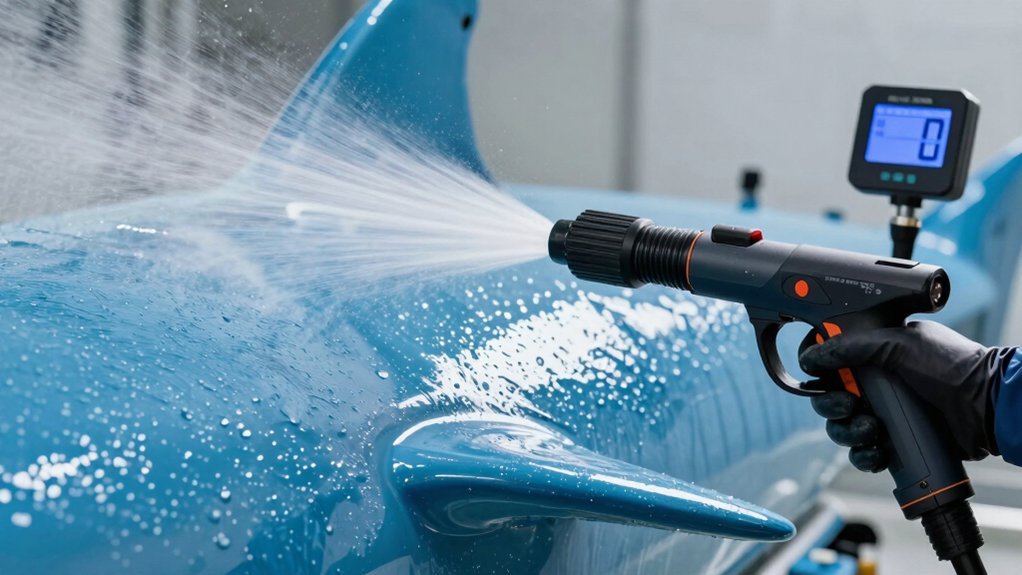
When you’re deciding whether to power wash, use the prior signs of coating wear as your guide: if the surface shows blistering, peeling, or chalky residue, skip the pressure washer and opt for gentler methods or a professional evaluation instead.
You’ll protect coating durability and reduce pressure washer risks by evaluating state first.
- Choose soft brushes or low-pressure rinses for minor grime
- Schedule an expert assessment if wear is visible or uncertain
- Use masking and protective covers for nearby surfaces when cleaning
Safety-conscious, methodical steps save time and money. If in doubt, pause the process and reassess before continuing.
Remember: preserving the coating’s integrity now prevents costly repairs later.
Common Mistakes to Avoid and Troubleshooting Tips
Common mistakes can derail a pressure-washing project fast, so start with a plan and stay vigilant for telltale signs of coating damage. You’ll prevent costly repairs by testing a small, inconspicuous area first, then adjusting pressure and nozzle type based on surface response.
Avoid using excessive pressure on thin or fragile coatings, and never direct the spray at seams or hardware. If you notice peeling, bubbling, or discoloration, pause and reassess with gentler settings and appropriate cleaners.
When contaminants resist removal, don’t default to abrasive cleaners; instead, consider safer techniques or manufacturer guidance. Avoid chemical stripping unless explicitly approved for Shark coating.
If you encounter inconsistency or edge flaking, document conditions, halt work, and consult troubleshooting resources or support to prevent further damage.
Prioritize safety, ventilation, and protective gear throughout.
Quick Reference Checklist for Ongoing Shark Coating Care
You’ll start with clear Pressure Wash Guidelines to protect the coating and your surfaces. Use steady, even passes and appropriate nozzle distances to avoid damage.
Next, follow Care Maintenance Tips to keep the Shark coating intact. This includes regular inspection and prompt addressing of any chipping or discoloration.
Stay methodical and safety-conscious as you document routines, monitor for wear, and schedule timely reapplications or touch-ups as needed.
Pressure Wash Guidelines
Pressure washing is a key part of maintaining Shark coating, and this quick reference is designed to keep your routine safe, efficient, and effective. Follow these guidelines to protect marine safety and coating durability while you wash.
- Use a low-pressure setting and keep the nozzle at a steady distance to avoid surface damage.
- Test a small area first, then rinse outward from joints to prevent streaking or trapped debris.
- Wear eye protection, gloves, and non-slip footwear; avoid cleaners that could degrade the coating.
Keep equipment in good condition, inspect seals, and never point the spray at seams or hardware.
Stop if you notice peeling or discoloration, and resume only after addressing concerns.
Care Maintenance Tips
Care maintenance for Shark coating requires a steady routine that protects both marine safety and coating integrity. Develop a simple weekly checklist: inspect surfaces for nicks, clean debris, and confirm no visible wear. Use appropriate Cleaning chemicals per manufacturer guidelines, avoiding harsh solvents that could degrade the coating. Rinse thoroughly after any cleaning to prevent residue buildup.
Schedule monthly inspections of the hull or vessel areas with coating exposure, noting any changes in gloss or finish. Keep a log of maintenance activities and environmental conditions, such as salinity and temperature, to anticipate performance shifts.
Ensure equipment calibration is current for all cleaning tools and pressure settings to prevent over- or under-cleaning. Train crew on safe handling, spill response, and immediate reporting of damage or anomalies.
Frequently Asked Questions
Can Pressure Washing Damage Shark Coating Over Time?
Yes, pressure washing can damage Shark coating over time. You should assess abrasion risks and surface degradation, use gentler settings, keep distance, test a hidden area, and follow manufacturer guidelines to minimize harm and maintain protection.
Will Pressure Washing Affect Warranty Coverage?
Pressure washing can affect warranty coverage, depending on terms and misuse. Check Warranty considerations and your supplier’s guidelines. Use appropriate Pressure washer types and follow manufacturer-recommended settings, distances, and safety to avoid voiding coverage and damaging Shark coating.
Is There a Difference Between Cold and Hot Water Washing?
Gently, you’ll notice cold water and hot water differ in pressure impact and cleaning power. Anachronism: you strap on a steampunk nozzle, then compare cold water to hot water, noting safer, methodical use for Shark coating.
Can I Use Household Detergents With a Pressure Washer?
You can, but avoid household cleaners not rated for pressure washers; choose detergent compatibility listed by the manufacturer. Use the proper detergent, dilute as directed, and rinse thoroughly to prevent residue and surface damage. Prioritize safety and methodical washing.
How Often Should I Professionally Inspect Coating Condition?
Carefully, you should inspect coating condition every 2–3 years, with annual checks after repairs or impact. Use a steady rhythm of coating inspection and maintenance schedule; document findings, address flaws, and maintain safety as your guiding symbol.
Conclusion
Conclusion: You can pressure wash shark coating, but proceed with care. Follow safe parameters, use low pressure, and keep the nozzle far enough to avoid gouges. If in doubt, opt for gentler methods first and monitor for wear—coatings aren’t forever. Remember: slow and steady wins the race. If you see peeling or streaks, stop and reassess. When in doubt, skip the wash and consult the coating’s guidelines or a professional. Safety first, results second.