How Long Does Shark Coating Last?
Shark Coating lasts for years under normal conditions, but its exact lifespan depends on your substrate, coating thickness, surface prep, and exposure to UV, chemicals, and abrasion. Proper cleaning, grit blasting or abrading per guidelines, and correct application guarantee strong adhesion and durable barrier properties. Higher salinity, UV exposure, and abrasion shorten intervals, especially on fiberglass or aluminum; smoother substrates tend to span longer between renewals. If you keep going, you’ll uncover renewal strategies and timelines.
Table of Contents
Shark Coating Lifespan: What to Expect and What Shortens It
Shark coating lifespan varies with use and environment, but you can expect a typical coating to retain its primary corrosion and wear protection for several years under normal conditions.
In evaluating duration, you’ll consider substrate type, coating thickness, surface preparation quality, and application method.
Observed degradation drivers include UV exposure, chemical attack, mechanical abrasion, and temperature cycling, each reducing protective performance over time.
Accelerated testing often correlates with field conditions to forecast service life, supporting maintenance scheduling and replacement planning.
Environmental impact factors influence longevity decisions, as more durable formulations may lower renewal frequency and material waste.
Cost considerations play a key role, balancing upfront application costs against anticipated lifecycle savings.
Key Factors That Affect Shark Coating Durability
Key factors shaping Shark coating durability include substrate compatibility, surface preparation quality, coating thickness, and application method. You assess substrate chemistry, roughness, and adhesion potential before any coating step to prevent delamination under load.
Surface preparation quality directly governs bonding; improper cleaning or profilometry undermines film integrity, increases porosity, and accelerates failure.
Coating thickness must balance protection with elasticity; too thin leads to wear through, too thick causes microcracking and debonding under impact.
Application method influences film uniformity, solvent entrapment, and cure kinetics, affecting early-age strength and long-term performance.
In a marine environment, exposure to salinity, UV, and biofouling stress tests the coating’s resilience; ensure robust surface cleanliness prior to each recoat to sustain longevity and maintain barrier properties.
Substrate Variations: Durability by Surface Type
Surface type strongly governs coating durability because substrate chemistry, roughness, and porosity dictate adhesion and load transfer. You evaluate each surface category to predict performance, comparing metal, concrete, and composite substrates under identical exposure conditions.
Marine applications demand corrosion resistance, while porous or rough textures amplify mechanical interlock, sometimes requiring higher cure cohesion for durable films. You note that smoother substrates minimize stress concentrations, yet may reduce mechanical grip if interface chemistry isn’t optimized.
Surface restoration outcomes depend on substrate cleanliness and preconditioning, which influence coating wetting and film formation. You quantify performance by adhesion tests, hardness, and cohesion metrics across substrates, then translate results into service life estimates.
Conclusions emphasize substrate-driven variability, guiding material selection and expected longevity in real-world marine environments.
Prep, Apply, and Maintain: Extending Your Coating’s Life
Coatings perform best when preparation, application, and ongoing maintenance are treated as an integrated process. You optimize longevity by coordinating surface preparation, correct product selection, and methodical application.
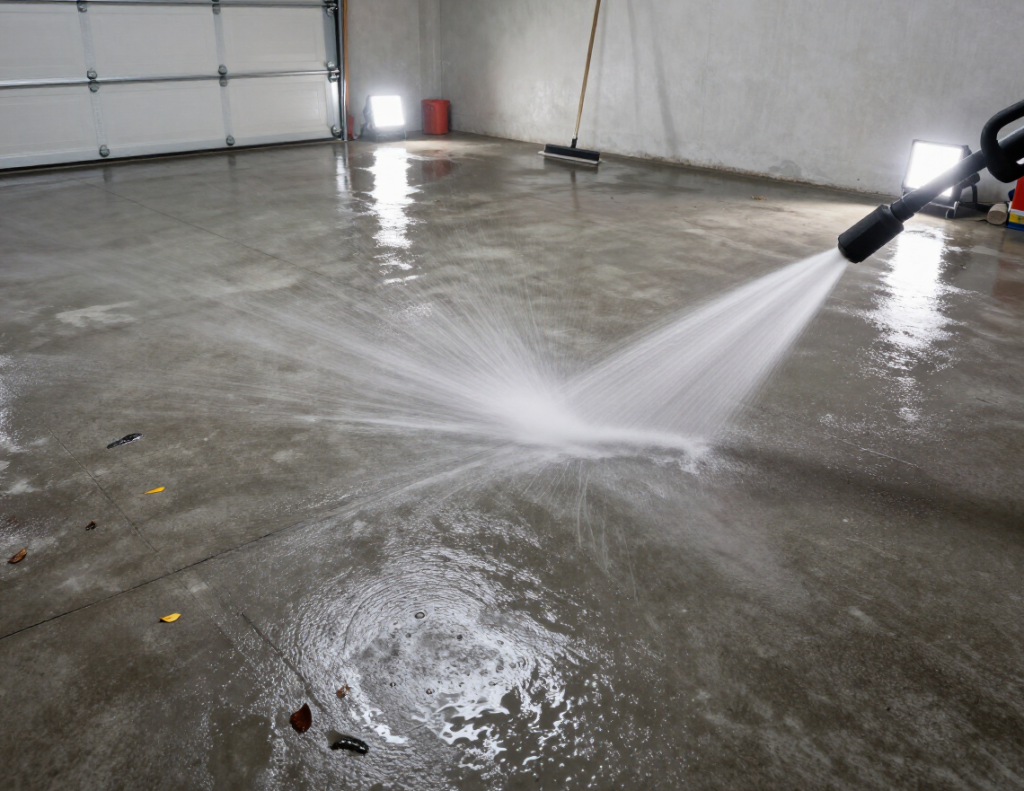
Begin with clean, dry substrates free of oils, solvents, and loose particles; surface preparation directly affects adhesion and film integrity. Follow manufacturer guidelines for solvent wiping, grit blasting, or abrading, and verify surface profile and cleanliness before proceeding.
During application, maintain consistent thickness, avoid over-application, and apply within the recommended temperature and humidity window to prevent shifting or poor cure.
Post-application maintenance matters: inspect for defects, promptly address micro-cracks, and schedule routine cleaning with non-abrasive methods. Adhere to documented application tips and record conditions to support predictable performance and extended coating life.
Practical Timelines: Reapplication Intervals by Condition and Substrate
Reapplication intervals depend on substrate type, exposure conditions, and coating performance history, so you should tailor schedules to real-world use rather than generic timelines.
You assess substrate compatibility by testing adhesion and porosity, noting surface porosity and roughness as primary drivers of wear.
In marine environments, faster degradation occurs with high salinity, UV exposure, and abrasion; expect shorter intervals on fiberglass or aluminum when coatings experience mechanical impact or splash zones.
For smooth, less porous substrates, intervals extend, while porous or etched surfaces demand more frequent maintenance.
Document service conditions, environmental cycles, and observed coating chalking, delamination, or color change to refine recoat timing.
Use non-destructive inspections, colorimetric gauges, and thickness readings to justify each schedule, balancing protection with operational downtime and cost.
Frequently Asked Questions
Does Environmental Salt Exposure Shorten Shark Coating Lifespan?
Yes, environmental salt exposure can shorten lifespan. It accelerates corrosion processes, so you’ll see reduced corrosion resistance. Surface adhesion remains vital; guarantee proper coating application and maintenance to preserve performance in saline environments. Regular inspections help sustain corrosion resistance and adhesion.
Can Color Coats Affect Durability and UV Resistance?
Color coats can affect durability and UV resistance; lighter shades typically offer better UV stability, while darker colors may exhibit greater color fade under sunlight. UV stability depends on formulation, pigment concentration, and protective additives.
Is Shark Coating Compatible With All Primers and Sealants?
Shark coating isn’t universally compatible; you should verify primer compatibility and sealant adhesion with the product data sheet. It isn’t compatible with all primers, and improper pairing can compromise adhesion, durability, and moisture resistance, so test first.
How Do Application Temperature and Humidity Alter Longevity?
Application temperature and humidity effects shorten or extend longevity depending on your environment; you’ll see faster curing at ideal ranges, while excessive humidity or cold slows cure, increases defects, and reduces adhesion, ultimately lowering long-term durability.
Are There Signs Indicating Immediate Recoat Need Before Recommended Intervals?
Signs of coating failure signal stopping-swatch scrutiny: perform a precise visual inspection for peels, flaking, dullness, blisters, or corrosion. If seen, schedule an immediate recoat; otherwise, follow advised intervals for ongoing protection and performance.
Conclusion
If you came here hoping for a miracle, you won’t get one—shark coating isn’t eternal. Durable life hinges on substrate, prep, and maintenance, not luck. Proper surface preparation, correct product choice, and timely reapplication can push intervals, but harsh exposure and neglect still shorten it. So, yes, you can extend longevity with discipline; no, you can’t outrun science. Expect meaningful protection with diligent care, and don’t pretend the coating’s lifespan isn’t tethered to reality.