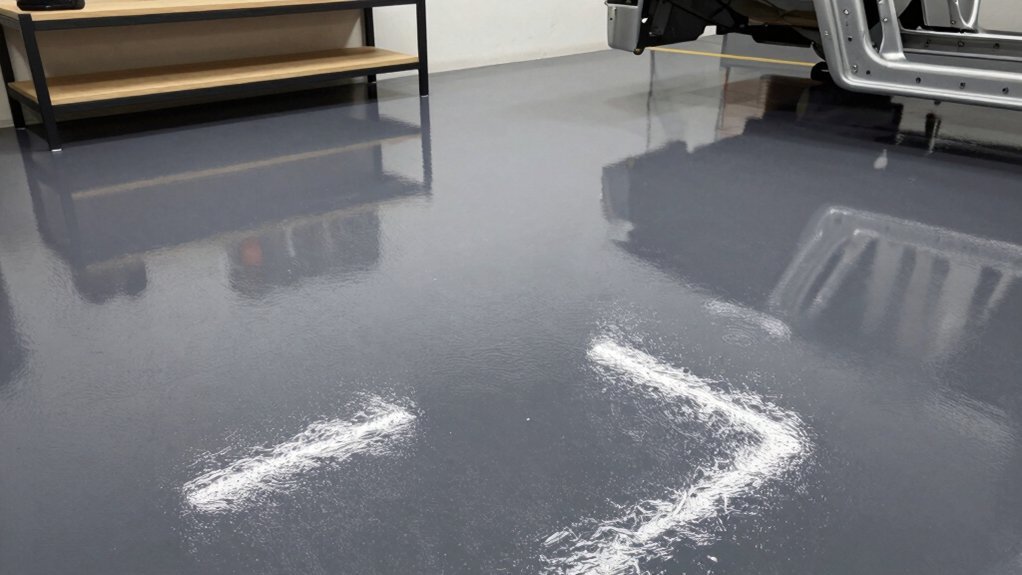
Garage floor coating costs typically run from $3 to $18 per square foot, so a standard 2‑car garage (~400 sq ft) usually lands in the $1,200–$7,200 range. Epoxy is on the low end, while polyaspartic or premium blends push higher, with prep, disposal, and labor shaping the total. Your best value comes from transparent quotes that separate material, labor, and prep. If you keep reading, you’ll uncover how to optimize quality without overpaying.
Garage Floor Coating Costs: A Practical Baseline
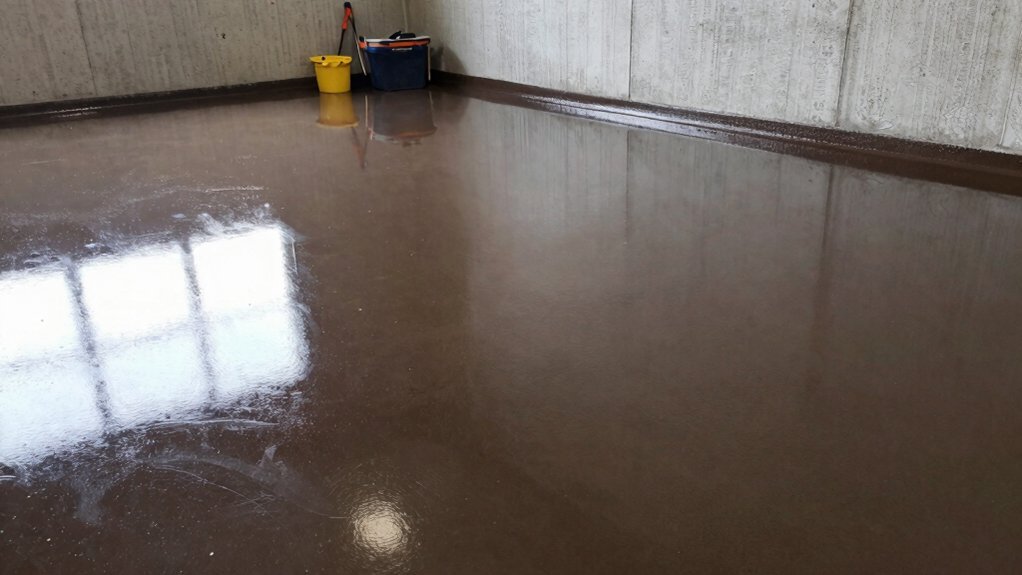
Garage floor coating costs vary widely, but a practical baseline helps you plan confidently: expect materials and labor to total between $3 and $12 per square foot for common epoxy systems, with higher-end polyurethane or polyaspartic coatings pushing toward $12–$18 per square foot.
In this framework, you can quantify value by garage style and longevity, translating upfront spend into long-term use and resale perks. Data shows epoxy kits are cheapest but less durable; polyaspartic options offer faster cure times and stronger wear resistance, impacting maintenance costs.
Color options matter: darker tones hide stains; lighter shades can require more prep to avoid haloing. Your decision should align with traffic, climate, and potential monetization through improved curb appeal and higher perceived value.
Choosing Materials: Epoxy, Polyaspartic, and Alternatives
When selecting a floor coating, you should weigh upfront costs, cure times, durability, and long-term maintenance to optimize resale value and monetization potential.
Epoxy delivers budget-friendly upfront costs and solid durability, but polyaspartic offers faster cure times and higher surface hardness that can shorten downtime and raise installation value.
Consider alternatives like polyurethane or hybrid blends for specific environments, where chemical resistance or UV stability matters for long-term upkeep.
Color options drive perceived value; richer, uniform finishes can command higher resale pricing and stronger monetization potential.
Assess material durability in real-world conditions—traffic, spills, and heat exposure—to balance lifecycle costs against initial price.
Use data on maintenance frequency and repaint intervals to forecast overall return on investment.
How Prep Impacts Price and Longevity
Prep work directly shapes price and longevity by dictating chemistry, effort, and future maintenance. You’ll see higher upfront costs when surface preparation is rigorous, but you gain longer-lasting protection and lower repair bills later.
Concrete profiling, moisture testing, and crack mitigation determine the coating’s adhesion, reducing peeling risk and warranty callbacks.
Proper garage ventilation during prep and application protects workers and preserves coating performance, preventing volatile emissions from skewing cure times.
More thorough surface prep adds labor hours, but it lowers long-term maintenance costs and maximizes lifespan, boosting return on investment.
If you under-prepare, you’ll pay more for early recoats and shorter intervals between service visits.
Data shows a direct correlation: better prep equates to fewer failures and steadier, predictable project budgets.
Labor vs. Materials: What Drives the Bill
Are labor costs driving most of the bill, or do materials carry the heavier load in a garage floor coating project? In a practical cost comparison, you’ll find labor often represents a sizable portion of total expense, but material choices can shift the balance quickly.
Labor tends to scale with surface area, surface prep, and cure time, while material costs hinge on resin systems, primers, and coatings durability. If you prioritize speed and efficiency, you may reduce labor but incur pricier formulas, affecting overall value.
Conversely, choosing premium, durable materials offers longer life, lowering maintenance swaps and repaint cycles. For a monetization-focused view, calculate total cost of ownership: upfront material price plus installation, plus anticipated recoat or repair over time.
Factor material durability to forecast long-term savings and true cost comparison.
Common Coating Options and Their Costs
There are several common garage floor coating options, each with a distinct blend of upfront cost, durability, and maintenance needs that directly affect total ownership. You’ll weigh epoxy systems, polyurethane options, and hybrid blends for longevity and ease.
Epoxy typically delivers strong bite on price per square foot, solid chemical resistance, and faster curing, boosting resale appeal with consistent colors.
Urethane coatings cost more upfront but excel in UV stability and abrasion resistance, improving garage floor aesthetics over time and reducing touch-up fees.
Hybrid systems try to balance cost and performance, offering moderate durability and simpler maintenance.
For aesthetics, epoxy accents and decorative flakes can maximize perceived value without sacrificing durability.
In short, expect epoxy vs. urethane trade-offs to drive long-term maintenance costs and final appearance.
Hidden Costs, Repairs, and Maintenance You Might Face
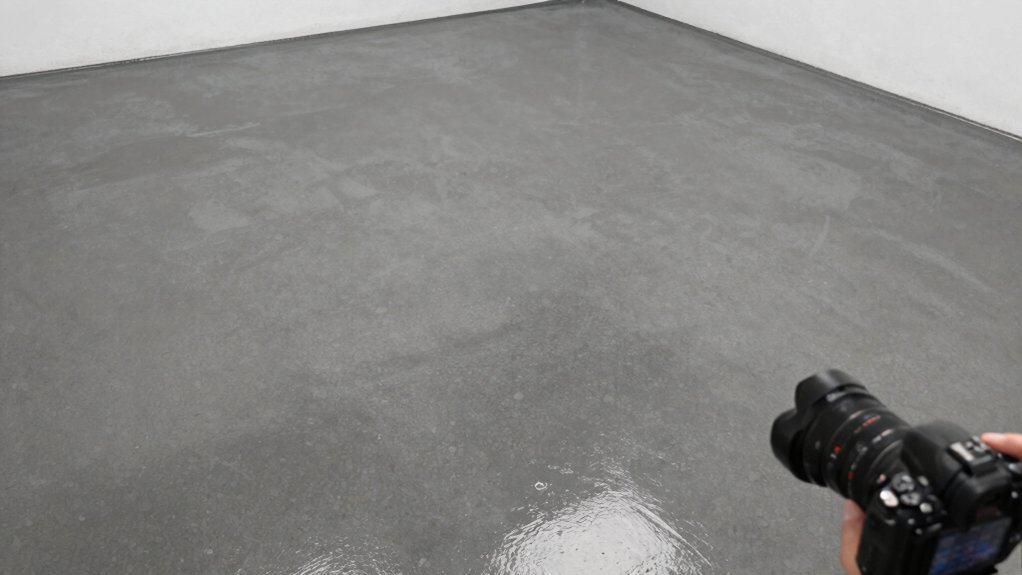
Hidden costs can creep in from unexpected preparation or disposal fees, so you’ll want a clear line item budget before you start.
Common repair pitfalls, like coating delamination or substrate cracks, can spike maintenance expenses if not addressed early.
After coating, routine upkeep—protective mats, moisture checks, and periodic re-coats—keeps resale value and minimizes long-term costs.
Hidden Fees To Expect
Even with upfront quotes, you’ll likely encounter hidden costs in garage floor coating projects that quietly raise your total spend. In practice, you’ll see line-item add-ons like surface prep, moisture barriers, and specialty finishes that aren’t always included in base estimates.
Data shows these fees can swing total costs by 5–25%, depending on substrate condition and required downtime. To protect your bottom line, demand pricing transparency from every contractor and insist on a detailed, fixed scope with unit rates.
Track average job costs across multiple bids to spot outliers before you sign. Read customer reviews for patterns on surprise charges and on responses when issues arise.
A transparent process helps you monetize trust and minimize unexpected, money-eroding fees.
Common Repair Pitfalls
Common repair pitfalls can quietly derail your budget, so start with a solid plan to prevent surprise costs and downtime. You’ll want data on typical hiccups: material failures, adhesion problems, and cure-time overruns that spike labor bills. Plan contingencies around these risks and monitor waste, warranty terms, and site prep to keep costs linear, not explosive. Track how defects affect resale value and ongoing upkeep.
- Allocate a contingency fund tied to project scope and room for unexpected repairs.
- Verify surface prep accuracy, coating compatibility, and cure schedules to avoid rework.
- Assess long-term implications for garage aesthetics and environmental impact, budgeting for periodic touchups and proper disposal.
A tight plan improves margins, speeds finish, and sustains market appeal.
Maintenance After Coating
After you’ve coated your garage floor, maintenance costs can quietly accumulate if you don’t anticipate them. Hidden expenses emerge from routine upkeep, sealant reapplication, and occasional repairs that return service life without large overhauls.
Expect to budget for annual inspections, minor chip touches, and re-coats every few years as coatings wear. Data shows that neglect accelerates substrate damage, increasing long-term spend beyond initial installation.
Prioritize a maintenance plan tied to projected durability and uptime, not vanity metrics. Garage durability hinges on proactive care, while surface aesthetics can degrade if abrasion, chemical spills, or UV exposure aren’t mitigated promptly.
Track costs per year and compare against replacement cycles to optimize ROI, ensuring durability, appearance, and resale value stay aligned with budget targets.
Build a Realistic Budget: Components and Contingencies
To build a realistic budget for garage floor coatings, start with a precise bill of materials, labor, and overhead, then add meaningful contingencies to cover unexpected costs. Your goal is a data-driven, bottom-line plan that supports cost comparison and informed contractor selection.
- Materials and coatings: quantify epoxy or polyaspartic options, coverage rates, and disposal fees to map unit costs.
- Labor and scheduling: estimate crew hours, overtime risk, and access constraints to forecast labor intensity.
- Contingencies and overhead: reserve for surface prep surprises, permit delays, and travel fees to stabilize the final price.
Totaled figures guide negotiation, tighten bid ranges, and optimize profitability without sacrificing quality.
Get Value: Tips to Maximize Quality Without Overpaying
Smart buying starts with clear value signals: prioritize coatings and installations that deliver proven performance per dollar, not just the lowest price. You should benchmark total cost of ownership, including maintenance intervals and recoat needs, against expected lifespan and warranty terms.
Focus on sealant durability data, failure rates, and preparation quality, then compare contractors by performance metrics rather than slick marketing. Use color customization options as a value lever, estimating how durable color choices influence touch-up frequency and long-term aesthetics.
Demand transparent quotes that separate material, labor, and surface prep, plus documented product specs. Favor options with quantified longevity and lower life-cycle costs, even if upfront price is modestly higher.
Negotiate bundled services, verified references, and milestone-based payments to align incentives and maximize return on investment.
Step-by-Step Price Checklist for Your Garage Floor Coating
Before you hire, follow this step-by-step price checklist to sharpen your garage floor coating budget and maximize ROI:
Quantify the total project cost by breaking out materials, labor, and surface prep.
Verify warranty terms and durability data.
Compare quotes that show per-square-foot pricing, cleanly separated line items, and any ancillary fees.
Assess color and finish options for long-term touch-up costs.
And benchmark contractors on proven performance, lifetime cost, and delivery timelines to avoid overpaying for hype.
1) Break down bids into fixed and variable costs to reveal true value.
2) Weight aesthetic goals (Garage aesthetics) against environmental impact, choosing durable, low-VOC options.
3) Require transparent timelines and post-install support for predictable budgeting.
Frequently Asked Questions
How Long Does a Garage Floor Coating Typically Last?
Garage durability typically spans 10 to 15 years, depending on prep and traffic. You’ll maximize coating lifespan with proper maintenance, choosing high-quality materials and professional installation, boosting resale value and reducing long-term repair costs, monetization-friendly performance metrics.
What’s the Average Cost per Square Foot Today?
You’ll typically pay around $2–$4 per square foot today. Garage durability improves with quality coatings, reducing long-term costs; consider upfront investment. Coating maintenance lowers ongoing expenses, boosting resale value and monetization potential over time.
Do Epoxy and Polyaspartic Require Different Prep?
Yes, epoxy and polyaspartic require different prep: you need thorough surface preparation, and you must check material compatibility. You’ll monetize quality prep, track costs, and compare failure risks to protect your investment and optimize results.
Are There Hidden Fees in Installation Quotes?
Hidden fees can appear; you should scrutinize installation quotes. You’ll minimize surprises through cost negotiation and demand clear warranty details, with data-backed comparisons, so you optimize value and protect your investment in durable flooring options.
Can I DIY vs. Professional Installation Cost Comparison?
Ignorance is a cracked tile—choose DIY pitfalls or a pro, and you’ll see costs stack against warranties. You save upfront, but professional warranties protect lifetime value; compare labor, materials, and disaster-proof outcomes before you commit.
Conclusion
You’ll see the total price rise like a growing graph: base materials, prep, and labor stacking up, then a few hidden costs lurking in the fine print. Think epoxy warmth underfoot, or polyaspartic speed you’ll actually notice in your schedule. Budget for contingencies, and chase value—not just the lowest quote. With clear data, you’ll forecast ROI as the glossy finish adds curb appeal, durability, and resale power, turning up your garage’s life and your long-term savings.